


If you’ve been anywhere near social media this summer, you’ve seen it: World Cup fans from Europe discovering ranch dressing for the first time, falling deeply in love, and then attempting to fly home with a suitcase-sized supply of it only to meet the one opponent no fan can dribble past: TSA liquid rules.
The TSA’s social media team had a field day. “Days since the last airport ranch incident: 0,” the agency posted, alongside photos of security bins overflowing with abandoned bottles of Hidden Valley. Kraft even rushed out a “TSA Compliant Ranch” travel kit: a quart-sized bag stuffed with ranch packets so heartbroken fans could get their fix home legally.
At one point, the agency went quiet for a few days, and we got worried enough to check in. The diagnosis was about what we expected:
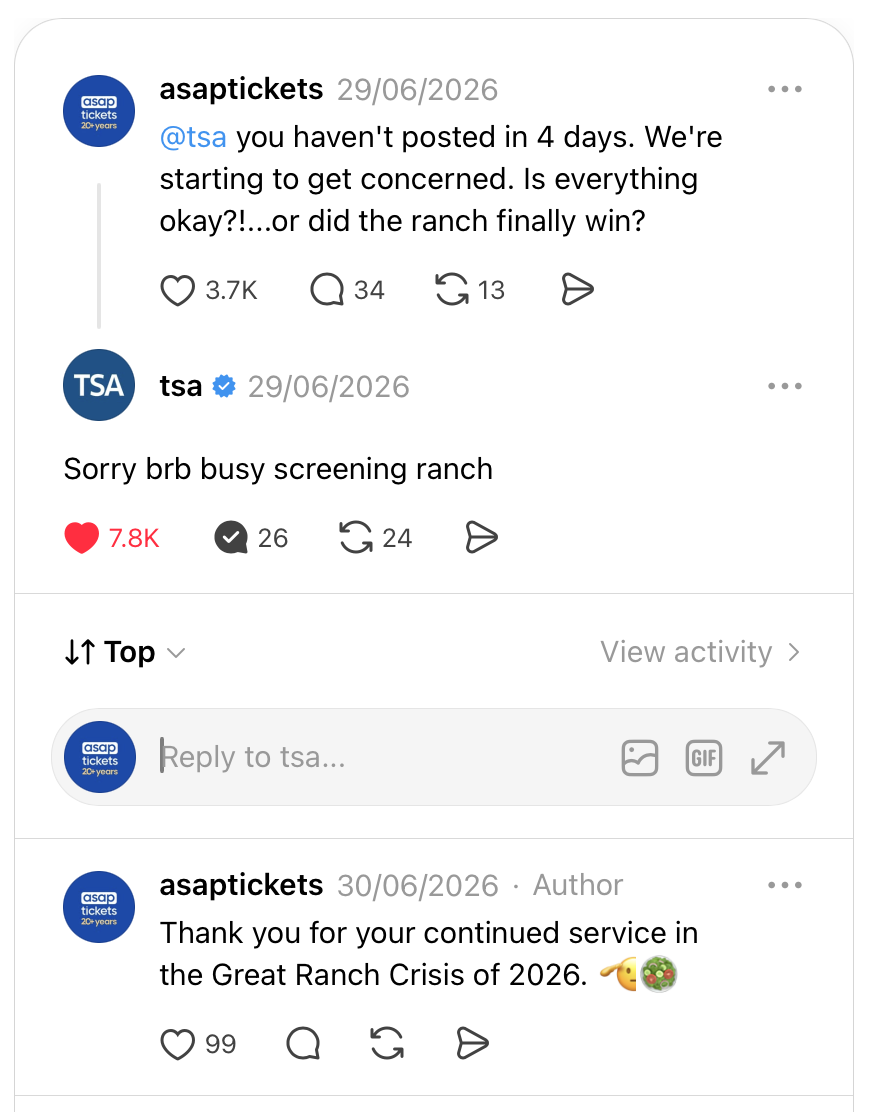
It’s funny (genuinely, go read the replies), but underneath the condiment comedy is a question travelers ask us all the time: what are the TSA liquid rules right now, in 2026? Because if you’ve heard rumors that the liquid limit is going away, or that some airports in Europe already let you bring full-size bottles, you’ve heard right. Sort of. Here’s the full picture, so nothing of yours (ranch or otherwise) ends up in the bin.
TSA Liquid Rules in 2026: The 3-1-1 Rule Is Still the Law of the Land
Let’s clear up the biggest misconception first: in the United States, the TSA liquid rules have not changed. The famous 3-1-1 rule still applies at every US airport checkpoint in 2026:
- 3.4 ounces (100ml) — the maximum size of each container of liquid, gel, aerosol, cream, or paste in your carry-on
- 1 quart-sized bag — all of those containers must fit inside a single clear, resealable quart-sized bag
- 1 bag per passenger — that’s your entire carry-on liquid allowance
Two details trip people up every day. First, it’s the container size that matters, not the amount inside. A half-empty 6-oz bottle of lotion is still a 6-oz bottle in the TSA’s eyes, and it’s not getting through. Second, the rule covers far more than things you’d casually call “liquid,” which brings us back to the ranch.
Is Ranch a Liquid? (And Peanut Butter, Hummus, and Other Surprises)
Yes. Ranch is a liquid. So, according to the TSA, it is anything you can spill, spray, spread, pump, or pour. That simple test explains most of the confiscation heartbreak at American checkpoints, because it covers a lot of food that feels perfectly solid in your fridge:
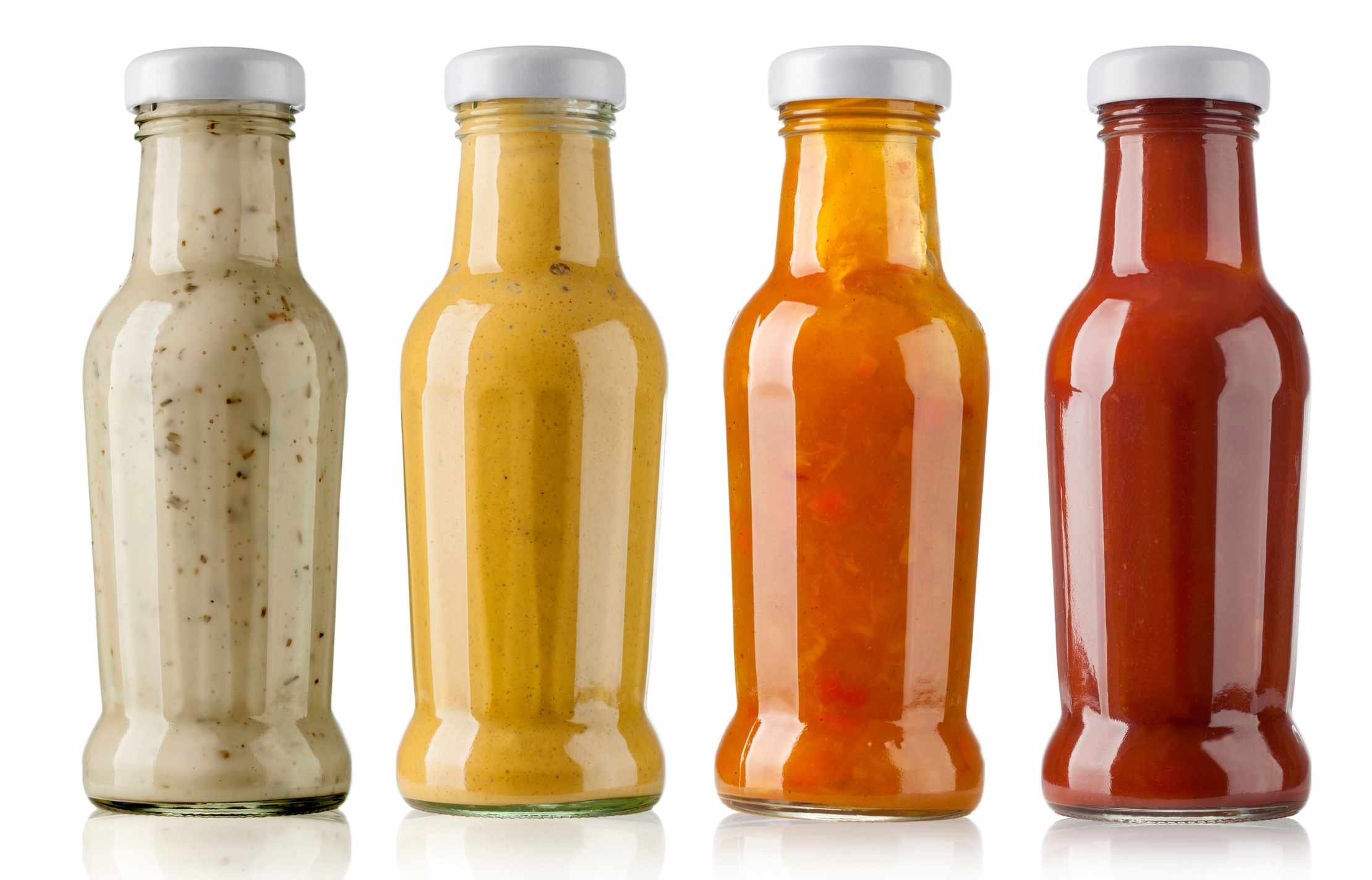
- Ranch and other salad dressings, sauces, and dips
- Peanut butter, Nutella, and other spreads
- Hummus and creamy dips
- Yogurt
- Jam, jelly, and honey
- Cream cheese and other soft, spreadable cheeses
- Mashed potatoes (yes, really)
- Salsa, gravy, and soup
- Maple syrup
These are consistently among the most-confiscated items at US airports. Not because travelers are careless, but because nobody thinks of peanut butter as a beverage. The rule of thumb the TSA itself uses: if you can dip a chip in it or spread it on toast, treat it as a liquid.
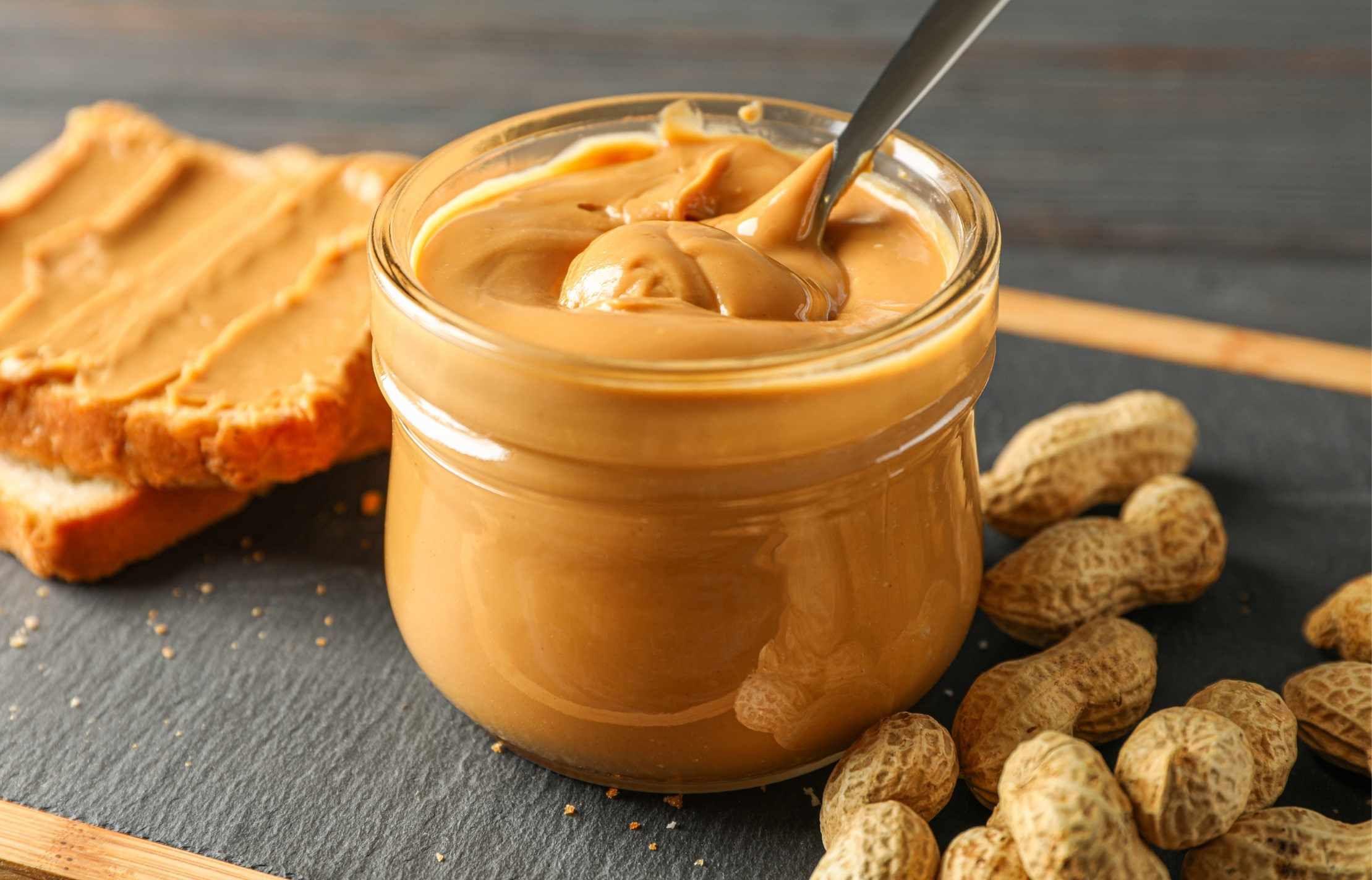
The good news? All of these are perfectly fine in checked luggage in any quantity (customs rules permitting, more on that in a second). So the World Cup fans didn’t have to lose their ranch. They just had to check it.
A quick note for international travelers: getting a food item past the TSA is only half the battle; it also has to clear customs in the country you’re flying into. If you’re bringing food into the US, that’s a whole separate set of rules. We’ve covered exactly what food you can bring into the US, as well as the specific rules for meat and cheese in earlier guides.
The Exceptions: What CAN Exceed 3.4 Ounces in Your Carry-On
The TSA liquid rules come with a few important exceptions, and knowing them can save your trip:
- Medically necessary liquids. Prescription medications, liquid medicines, contact lens solution, and other medical necessities can exceed 3.4 oz in reasonable quantities. Declare them to the TSA officer at the checkpoint — they’ll be screened separately, but they’re allowed.
- Baby formula, breast milk, and baby food. Parents traveling with infants and young children can bring these in reasonable quantities well beyond the standard limit. Again, declare them for separate screening.
- Duty-free liquids. If you bought that liter of whiskey or bottle of perfume at an international duty-free shop, it can pass through a US connecting checkpoint if it’s sealed in the official tamper-evident bag with the receipt inside, purchased within roughly the last 48 hours. Break the seal, lose the exemption. (For everything else about airport shopping limits, see our guide to duty-free allowances when shopping abroad.)
“But I Heard the Liquid Rule Was Going Away…”
You’re not imagining it. There’s been real smoke around this fire.
Back in July 2025, Homeland Security Secretary Kristi Noem said the TSA was re-evaluating its liquids policy and hinted that a change to allowed liquid sizes could be the agency’s next big announcement. That comment set off a wave of headlines suggesting the 3-1-1 rule was on its way out.
As of mid-2026, no nationwide change has happened. What HAS changed is the screening experience. The TSA has been rolling out advanced CT scanners, the same 3D imaging technology hospitals use, at major hubs like Atlanta, LAX, JFK, and O’Hare. At checkpoints with these machines, you can often leave your quart bag and laptop inside your carry-on instead of unloading them into bins. That’s a genuine convenience, but it’s a change to the process, not the limit. Your containers still need to be 3.4 oz or under.
Our advice: pack for the 3-1-1 rule at every US airport, enjoy the faster lanes where you find them, and don’t gamble a full-size bottle of anything on a rumor.
Meanwhile in Europe: The 100ml Rule Is Actually Disappearing
Here’s where things get genuinely exciting, and genuinely confusing. While the US holds the line at 3.4 ounces, a growing list of European airports has scrapped the 100ml rule entirely, thanks to those same CT scanners (known in Europe as C3 scanners).
The poster child is Dublin Airport. In September 2025, after installing around 30 next-generation C3 scanners across both terminals, Dublin eliminated the 100ml restriction for departing passengers. The new rules at Dublin are:
- Liquid containers up to 2 liters are allowed in hand luggage
- No more clear plastic bags for liquids and gels
- Laptops, tablets, and liquids all stay inside your bag during screening
That means you can walk through Dublin security with a full-size bottle of shampoo, a large water bottle, or, dare we say it, a family-size bottle of ranch, and nobody will blink. Ireland has moved fast on this: Shannon, Cork, and Ireland West airports have rolled out the same technology.
Dublin isn’t alone. As of early 2026, airports allowing liquids up to 2 liters include:
- Ireland: Dublin, Shannon, Ireland West (Knock)
- Italy: Rome Fiumicino, Milan Linate, Milan Malpensa (Terminal 1 only), Bologna, Turin (fast-track lanes only)
- UK: Birmingham, Edinburgh, and several others, with Heathrow lanes progressively upgrading
- Poland: Kraków, Poznań
- Lithuania: Vilnius, Kaunas
- Plus: Prague (Terminal 2), Malta, Billund (Denmark), Cluj (Romania)
The EU’s stated goal is to have major airports equipped with C3 scanners, making the 100ml rule history across most of Europe, but the rollout has been bumpy (Brussels actually paused and then reinstated the relaxation in 2024–2025 due to scanner certification issues), so the current reality is a patchwork.
The Catch: The Rules Only Apply Where You Take Off
This is the single most important thing to understand about the new European rules, and it’s where travelers get burned:
The relaxed liquid limit applies only at your departure airport.
Fly out of Dublin with a 1-liter bottle of your favorite Irish skincare product? No problem. But if your return flight departs from an airport that still enforces 100ml limits, which includes every airport in the United States and most of Europe, that bottle goes in the bin on the way home unless it’s in your checked bag.
The same goes for connections. Departing Dublin with large liquids and connecting through Heathrow, Frankfurt, or JFK? The connecting airport’s rules apply when you re-clear security, and your 2-liter freedom ends there.
So the practical playbook for 2026 looks like this:
- Check your specific departure airport’s current liquid rules before every leg of your trip — not the country’s, the airport’s (and sometimes the terminal’s).
- If you can’t confirm the limit has been lifted, assume 100ml applies.
- Round trips are asymmetric. Your outbound and return legs may follow completely different rules. Pack for the stricter one, or use your checked bag.
- Flying to/from/within the US? It’s 3-1-1, full stop.
Smart Packing: How to Beat the Liquid Rules Entirely
A few veteran moves that make the whole question irrelevant:
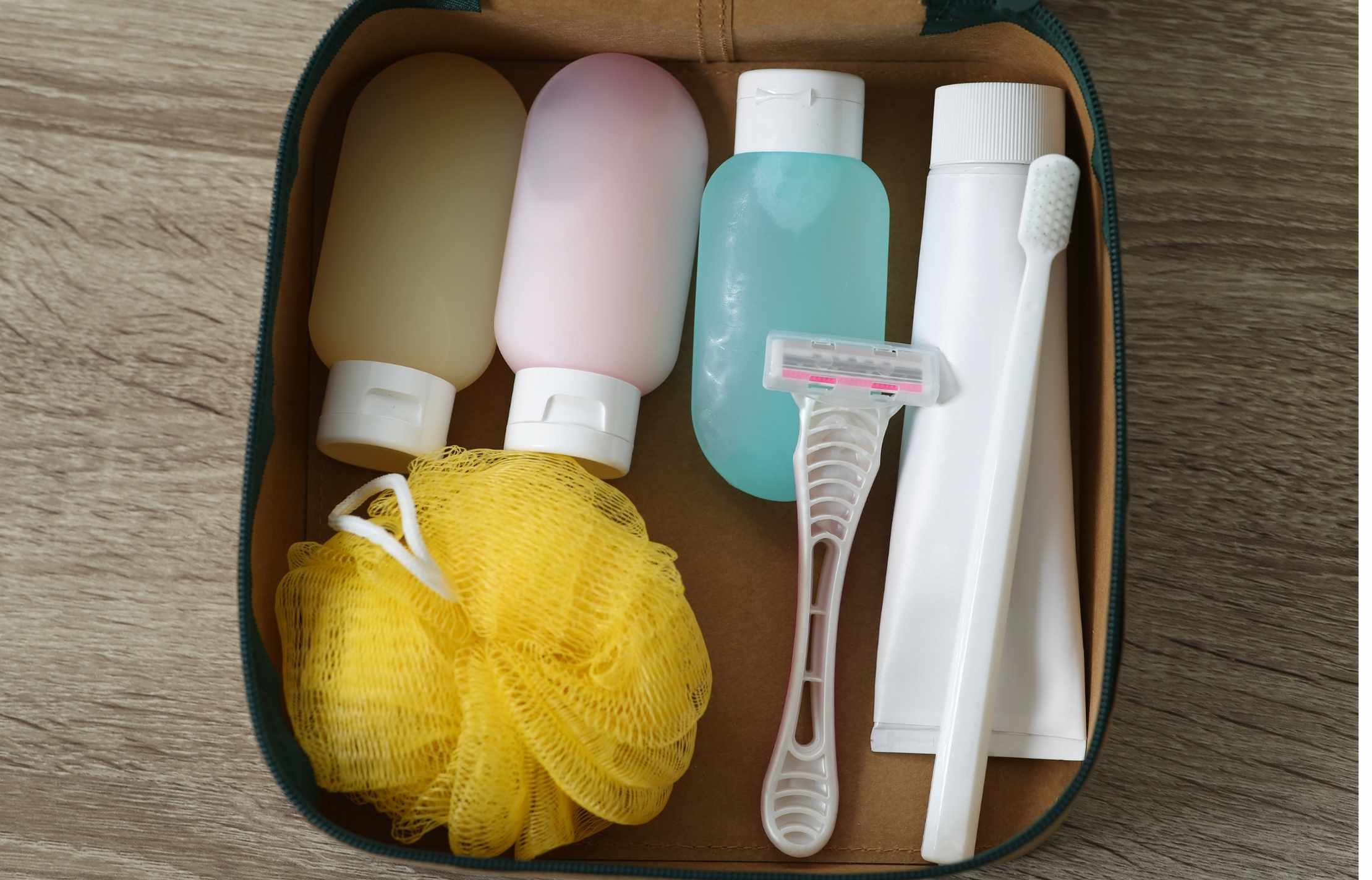
- Go solid. Shampoo bars, solid conditioner, stick sunscreen, and solid perfume don’t count as liquids at all. No bag, no limit, no drama.
- Buy travel minis or decant. A set of refillable sub-100ml bottles costs a few dollars and works at every airport on Earth.
- Use your checked bag for the big stuff. Full-size toiletries, that bottle of olive oil from Tuscany, the ranch — checked luggage handles them all. Just seal them well; a suitcase full of exploded ranch is its own kind of security incident.
- Buy liquids after security. Water, drinks, and duty-free bottles purchased airside are fine to carry aboard — just watch the sealed-bag rules if you have a connection. And remember that duty-free purchases can count toward your customs allowance when you land, along with any cash you’re carrying — here’s how much cash you can bring into or out of the US if you’re doing serious shopping.
TSA Liquid Rules 2026: Quick FAQ
Is ranch dressing a liquid according to the TSA?
Yes. Ranch, like all sauces, dressings, and dips, counts as a liquid. Containers over 3.4 oz must go in checked luggage. (The TSA has been very, very clear about this lately.)
Did the TSA change the liquid rules in 2026?
No. The 3-1-1 rule still applies at all US airports. New CT scanners at some checkpoints let you keep liquids in your bag during screening, but the 3.4 oz limit is unchanged.
Which airports have scrapped the 100ml rule?
Dublin, Shannon, Rome Fiumicino, Milan Linate, Bologna, Birmingham, Edinburgh, Kraków, Vilnius, Malta, and a growing list of other European airports now allow containers up to 2 liters. Always verify your specific departure airport shortly before flying — the list changes month to month.
Can I bring a full water bottle through Dublin Airport security?
Yes — Dublin allows liquid containers up to 2 liters, and they can stay in your bag. Just remember the airport you fly home from may still enforce 100ml.
Is peanut butter a liquid?
To the TSA, yes. If you can spread it, spill it, spray it, pump it, or pour it, it follows the liquid rules.
What liquids are exempt from the 3-1-1 rule?
Medically necessary liquids, prescription medications, baby formula, breast milk, and baby food may exceed 3.4 oz in reasonable quantities — declare them at the checkpoint. Sealed duty-free purchases with proof of purchase also qualify under specific conditions.
The Bottom Line on TSA Liquid Rules
The TSA liquid rules may finally be entering their last act — the technology that makes them obsolete is already scanning bags in Dublin, Rome, and Birmingham. But until the US and the rest of Europe catch up, the smart traveler packs for the strictest airport on their itinerary.
And if you fell in love with ranch this summer? Check the bag. Some heroes wear capes; others use checked luggage.
Planning your next international trip? Our travel experts can help you find the best fares. Just call us at 844-300-7983 or visit asaptickets.com.

Get it right to your inbox by subscribing to ASAP Tickets weekly emails featuring the hottest flight deals from US to the .
Massive savings • Unsubscribe at any time.
You were sucessfully subscribed
Please check your inbox to confirm the subscription