


You’ve just spent two weeks visiting family. Before leaving, your grandmother packed a bag of mangoes from the backyard tree, your aunt added some home-canned sauce, and you grabbed a few snacks from the market for the flight. Now you’re at US Customs, staring at the declaration form, and one question hits you: what food can you bring into the US — and what gets taken away?
For millions of expats, food is one of the most emotionally loaded things to bring through customs. And one of the most misunderstood. This guide cuts through the confusion so you know exactly what to expect before you land.
The Rule That Covers Everything: Declare It All
Before we get into what food can you bring into the US and what’s off limits, there is one rule that overrides everything else: declare every food item you are carrying. Every single one. No exceptions.
This is not optional, and it applies to everything in your checked baggage, carry-on, and any vehicle you’re traveling in. The customs declaration form specifically asks whether you’re bringing fruits, vegetables, plants, seeds, food, or soil into the United States. The answer, if you have any food at all, even a granola bar, is yes.
Here’s the part that surprises most travelers: declaring food, even food that turns out to be prohibited, will not get you fined. If you declare a mango and the inspector says it can’t enter, they’ll confiscate it and send you on your way. No penalty. No problem. It’s those travelers who don’t declare and get caught who face fines ranging from $300 to $10,000 for repeat violations.
The golden rule
Declare everything. A confiscated mango costs you nothing. An undeclared mango found by a customs dog can cost you $300 or more if it happens repeatedly. The declaration itself is always the right move.
Why US Customs Is So Strict About Food
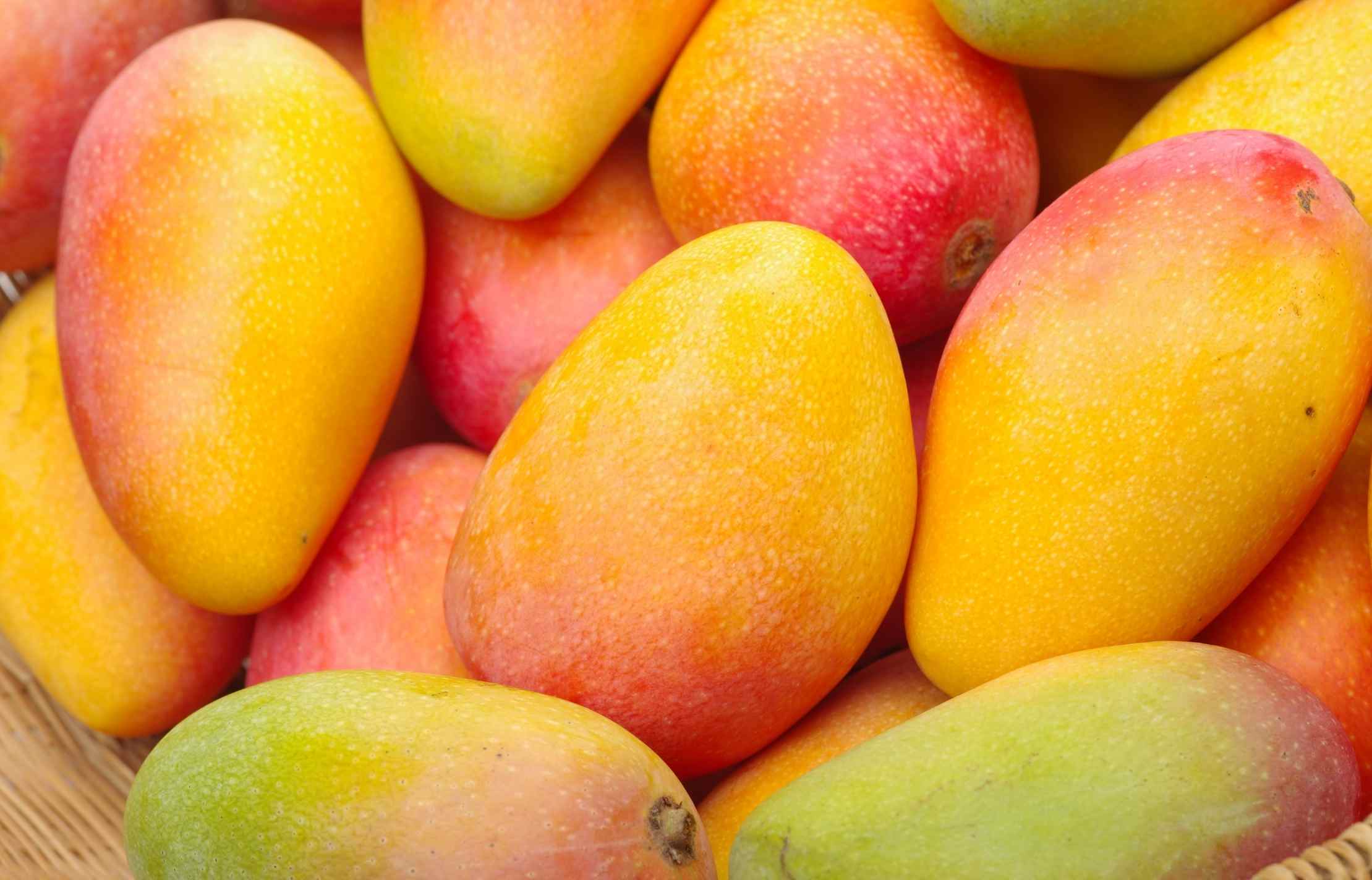
This isn’t arbitrary. The US takes agricultural biosecurity seriously because the stakes are enormous. A single piece of contaminated fruit introduced the Mediterranean fruit fly to California in the 1980s. It ended up costing roughly $100 million to eradicate. One traveler, one piece of fruit, $100 million in damage.
CBP agriculture specialists work alongside the USDA’s Animal and Plant Health Inspection Service (APHIS) at every port of entry. They’re backed by specially trained detection dogs that can smell produce, meat, and plant material through luggage. If a dog signals on your bag, you will be pulled for a secondary inspection — and if food that wasn’t declared is found, the fine follows.
Fresh Fruits and Vegetables: The Short Answer Is Usually No
The first thing to understand about what food you can bring into the US is that almost all fresh and frozen fruits and vegetables are prohibited from foreign countries. This includes items that seem harmless: a mango from the Philippines, a few avocados from Mexico, and oranges from the Caribbean. The risk isn’t the fruit itself; it’s the insects, larvae, and plant diseases that can hide inside or on the skin.
There are exceptions, but they are narrow and country-specific:
- From Mexico: Mangoes, stone fruit, apples, oranges, guavas, and sweet limes require a USDA permit and special treatment before entry. Without that permit, they won’t make it through.
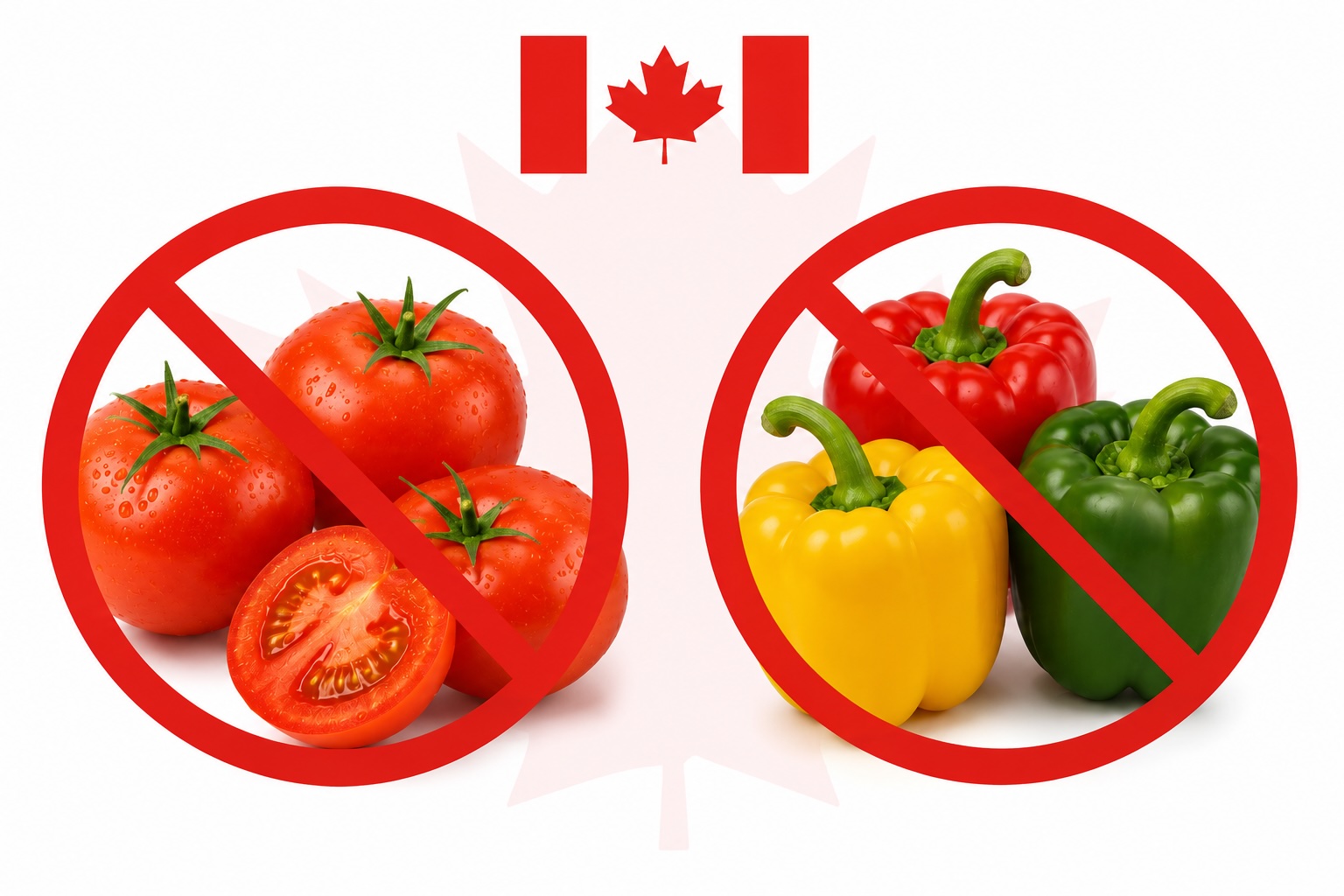
- From Canada: Many fruits and vegetables grown in Canada are allowed, but they must be free of soil, pests, and disease, and you must be able to prove they were grown in Canada and not just purchased there. Tomatoes and bell peppers from Canada are prohibited.
- From the Caribbean and most other countries: Fresh fruit and vegetables are generally prohibited unless a specific import permit has been issued in advance.
- Tomatoes and peppers: As of June 2024, travelers can bring fresh tomatoes and peppers for personal use from most countries, which is a recent USDA rule change. However, they remain prohibited from Canada.
The rule of thumb: if it’s fresh, assume it’s prohibited and declare it anyway. Let the inspector make the call.
What About Dried and Canned Fruits and Vegetables?
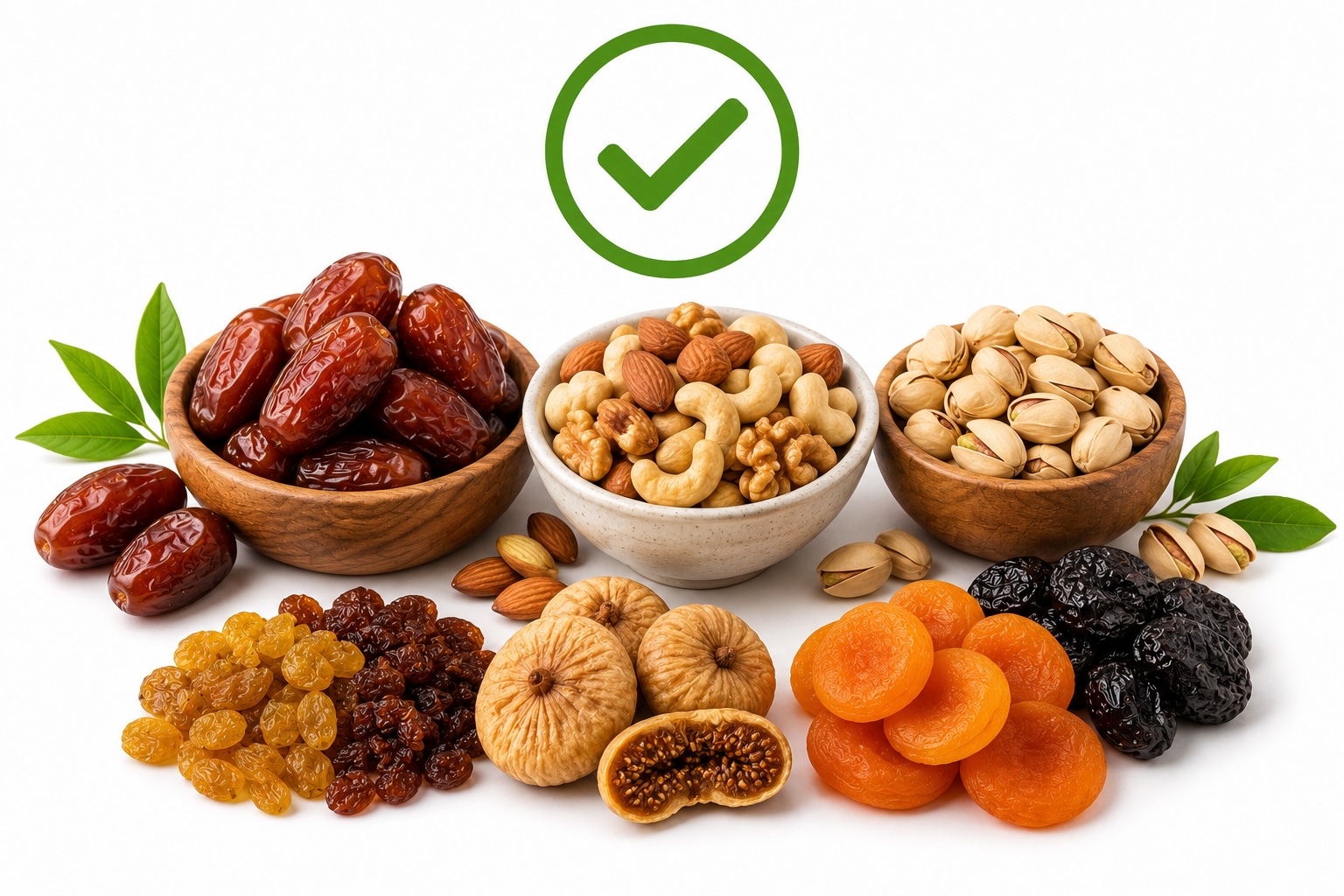
Dried is trickier than most people expect. Most dried fruits and vegetables are also not automatically allowed into the US. However, there is a list of dried products that are generally permitted if declared and inspected:
- Dates, figs, and raisins
- Dried beans and peas
- Okra (dried)
- Nuts that have been boiled, roasted, steamed, or otherwise processed (almonds, cashews, macadamias, pecans, pistachios, walnuts, and others — as long as they’re out of the husk)
- Szechwan peppercorns
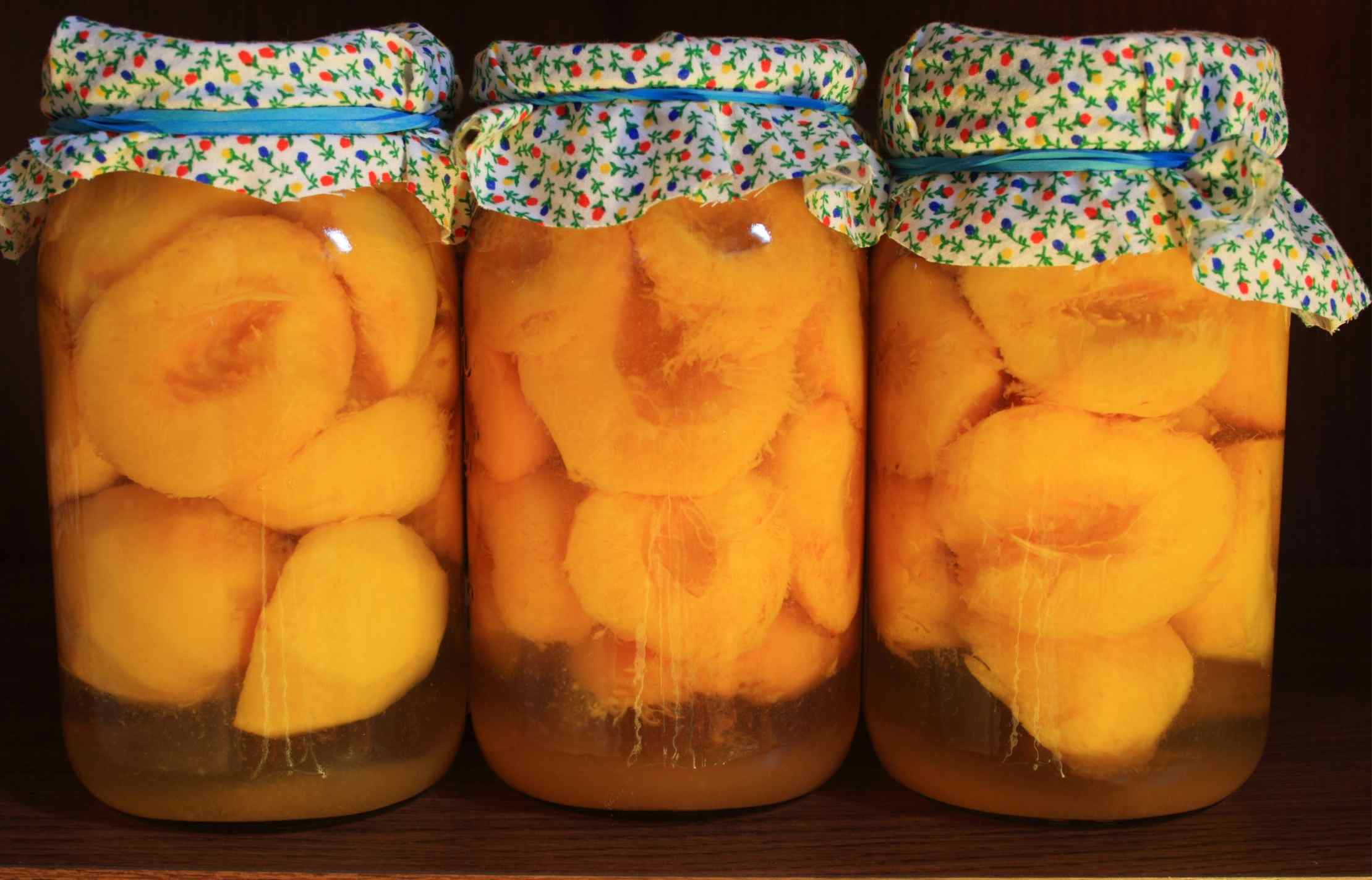
Commercially canned fruits and vegetables are generally allowed, as long as they are declared. Home-canned products are not accepted by the USDA because home canning practices vary and may not eliminate pest or disease risks.
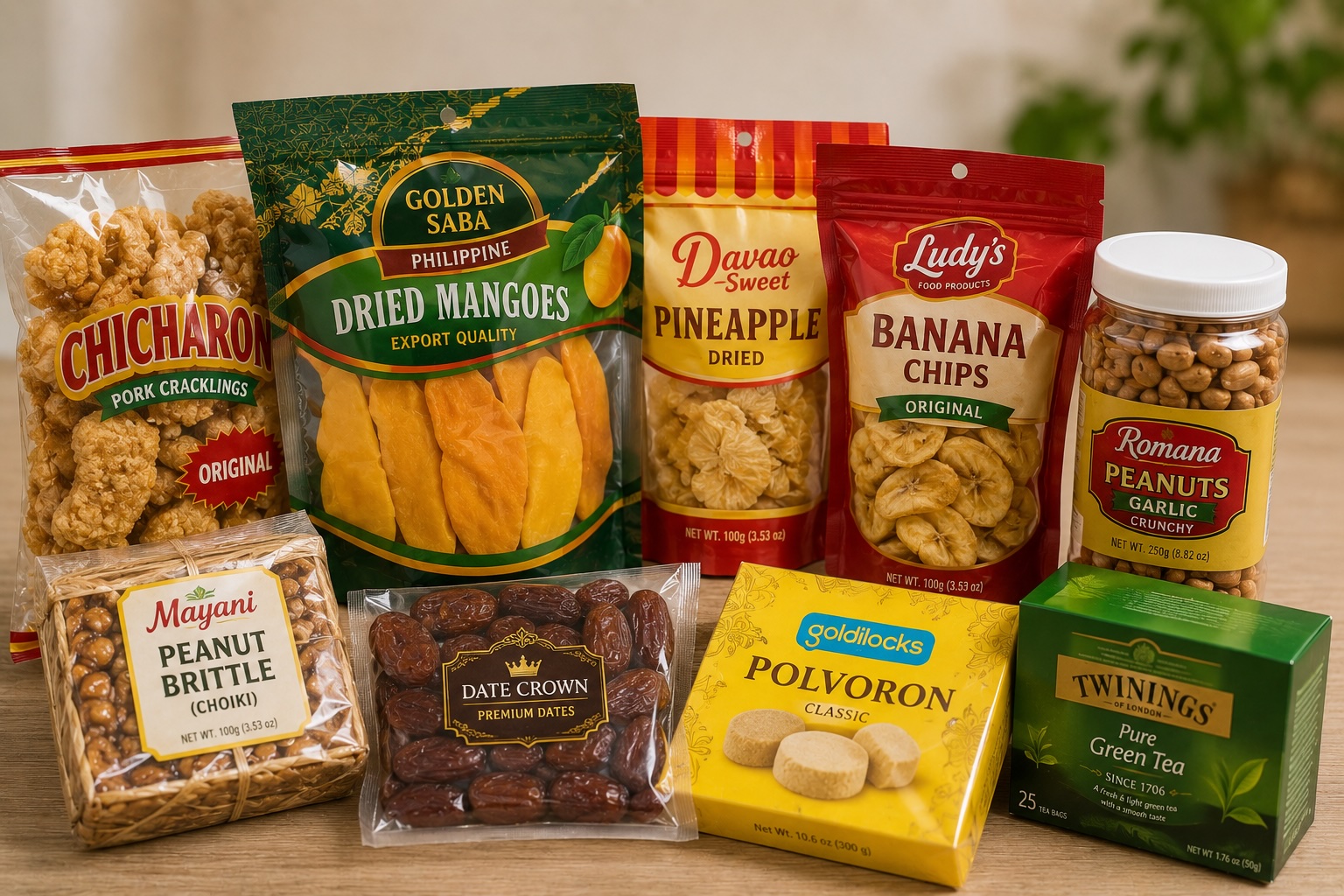
Dried mango slices from the Philippines in a sealed commercial package? Those have a reasonable chance of getting through: commercially packaged, no fresh fruit, labeled with ingredients and origin. Loose, unlabeled dried fruit from a market bag? Much harder to clear. Original packaging with the country of origin is your best friend at the customs counter.
Packaged Snacks, Baked Goods, and Pantry Items
This is where the answer to what food can you bring into the US gets much more forgiving. A wide range of processed and packaged food is allowed into the US, and for most expat travelers, this is the majority of what they actually carry. The following are generally permitted (always declare and present for inspection):
- Baked goods: bread, cookies, crackers, cakes, pastries, and granola bars are generally allowed. Commercially made is safer than homemade (see below).
- Candy and chocolate: generally allowed in commercial packaging.
- Packaged snacks: chips, rice crackers, prawn crackers, packaged noodles (without animal products) — generally fine.
- Spices: most dried spices are allowed. Keep them in original packaging.
- Coffee and tea: roasted coffee beans and commercially packaged tea are allowed.
- Condiments and sauces: ketchup, mustard, hot sauce, soy sauce, chili oil, Marmite, and similar condiments are generally allowed as long as they don’t contain meat products.
- Honey: allowed in commercial packaging.
- Jams and pickles: commercially produced and sealed, generally fine.
- Rice: white rice, basmati, brown rice, rice flour are allowed, but because rice can harbor insects, inspectors may look closely. Declare it.
- Commercially canned goods: soups, sauces, and canned goods without meat are generally allowed when commercially sealed and labeled.
- Many cheeses and beef jerky are allowed. For specific details, see our blog about Beef Jerky, Cheese & Cured Meats: What Meat and Cheese Can You Bring Into the US?
Homemade Food: A Special Word of Caution
This is the category that catches the most expat travelers off guard. Homemade food is where the question of what food you can bring into the US gets genuinely complicated, and the grey area usually resolves against you.
The core issue is identification. A CBP officer looking at a container of unlabeled home-canned sauce, a zip-lock bag of dried seasoning, or a foil-wrapped package of homemade snacks has no way to verify the ingredients or origin. If they can’t verify it, they will almost certainly confiscate it.
Specific categories to know:
- Home-canned anything: not allowed. The USDA prohibits home-canned products because canning practices can’t be verified and may not eliminate disease risks.
- Homemade baked goods (plain): cookies, bread, and simple baked goods without meat, fresh fruit, or restricted ingredients may pass at a CBP officer’s discretion. There is no guarantee.
- Homemade baked goods containing meat or egg: generally not allowed, even if thoroughly cooked. A meat-filled pastry from your grandmother’s kitchen is a high-risk item regardless of how it was made.
- Unlabeled dried or seasoned items: hard to clear without packaging showing ingredients and origin.
The honest answer for homemade food is: it depends on the officer, the day, and what’s inside. Your best move is to declare it fully, describe it accurately, and be prepared for it to be confiscated without a fine, which is far better than hiding it and being caught.
Airplane and airport food counts too
That fruit cup you didn’t finish on the plane, or the snack you picked up at the airport abroad before boarding? These count as agricultural items if you bring them into the US. USDA inspectors recommend finishing or discarding airline food before landing, or declaring it on your customs form.
A Quick Reference: What Usually Passes and What Doesn’t
Here’s a quick summary of what food you can bring into the US across the most common categories travelers carry.
| Item | Generally allowed? | Notes |
|---|---|---|
| Fresh mango | No | Prohibited from most countries. Permit required from Mexico. |
| Dried mango (commercial package) | Usually yes | Declare and present for inspection. Keep original packaging. |
| Fresh bananas | No | Prohibited from most countries due to pest risk. |
| Commercially baked cookies or bread | Yes | Declare. Must not contain meat or restricted fillings. |
| Homemade baked goods (plain) | Maybe | Officer discretion. No guarantee. Declare always. |
| Home-canned sauce or preserves | No | USDA prohibits all home-canned products. |
| Commercially canned goods (no meat) | Yes | Most dried spices are allowed. Original packaging recommended. |
| Packaged spices | Yes | Most dried spices allowed. Original packaging recommended. |
| Hot sauce and condiments | Yes | No meat products. Commercially sealed. Liquids follow TSA rules in carry-on. |
| Chocolate and candy | Yes | Commercially packaged. Declare. |
| Rice (white, basmati, brown) | Usually yes | Declare. May be inspected carefully for insects. |
| Coffee and tea (packaged) | Yes | Roasted coffee and commercially packaged tea allowed. |
| Honey | Yes | Commercially packaged. Declare. |
| Fresh tomatoes and peppers | Yes (from most countries) | Rule changed June 2024. Still prohibited from Canada. Declare. |
Practical Tips for Packing Food When You Travel
- Always keep food in its original commercial packaging. A labeled package shows the country of origin, ingredients, and manufacturing information — everything an inspector needs to make a quick, favorable decision.
- Keep receipts. If you bought something at a market or specialty store abroad, a receipt showing the country of purchase can help verify origin.
- Pack liquid food in checked baggage, not carry-on. Sauces, hot sauce, honey, and oils must follow TSA’s 3.4 oz rule in carry-on luggage — save yourself the hassle and pack them in your checked bag.
- Finish or discard airline food before landing. The fruit cup or roll from your in-flight meal counts as an agricultural item if it crosses into the US.
- Don’t bring soil. No soil of any kind is permitted into the US without an advance USDA permit. This includes potted plants, vegetables with roots and soil still attached, and decorative items with soil.
- Check the USDA APHIS database before you pack. The Agricultural Import Requirements (FAVIR) database at aphis.usda.gov lets you search specific items by country of origin to see exactly what’s permitted.
Frequently Asked Questions
I forgot I had fruit in my bag, and it was found at customs. What happens?
Knowing what food you can bring into the US starts with the declaration box, which is the most important thing you fill out on that form. If you checked “no” on the food question and the fruit was found — by a dog, an X-ray, or a manual inspection — you face a fine starting at $300. The declaration box is the most important thing you fill out on that form.
Can I bring commercially packaged dried mango slices from the Philippines?
Generally, yes, if they are in original sealed commercial packaging with ingredient labeling and country of origin. Declare them on your customs form and present them for inspection. Loose, unlabeled, or market-bagged dried fruit is harder to clear.
What about food items I bought at the duty-free shop before boarding?
Airport duty-free food is still subject to US customs agricultural rules. A fresh fruit item purchased in a foreign airport duty-free shop does not get special treatment at the US border. Declare it and let the inspector decide.
Can I bring homemade seasoning blends or spice mixes?
It depends on what’s in them and how they’re packaged. Dry spice blends without restricted ingredients, in a clearly labeled container, have a reasonable chance. Unlabeled bags of mixed seasoning are harder to clear. Anything containing dried meat or animal products is likely to be refused.
I visited a farm while abroad. Do I need to declare that?
Yes. The customs form also asks whether you visited a farm, ranch, or had contact with animals during your trip. If you did, declare it. CBP may inspect your shoes and clothing for soil or animal material. Animal diseases can survive on clothing and shoes for days.
Booking International Flights
Planning an international trip home? ASAP Tickets specializes in finding affordable fares for expats and families traveling across the globe. Give us a call at 1-844-300-7983 — our travel experts are available 24/7 to help you book the most convenient and cost-effective route home.
More from our international travel rules series:
- Your $800 Duty-Free Allowance: How to Shop Smart Abroad — Know your limits before you shop
- The $10,000 Cash Rule: What Travelers Get Wrong About Carrying Cash — What you actually need to declare at the border
- Beef Jerky, Cheese & Cured Meats: What Meat and Cheese Can You Bring Into the US? — Prosciutto is a no; Parmigiano is a yes. All the details about bringing meat and cheese to the US

Get it right to your inbox by subscribing to ASAP Tickets weekly emails featuring the hottest flight deals from US to the .
Massive savings • Unsubscribe at any time.
You were sucessfully subscribed
Please check your inbox to confirm the subscription