


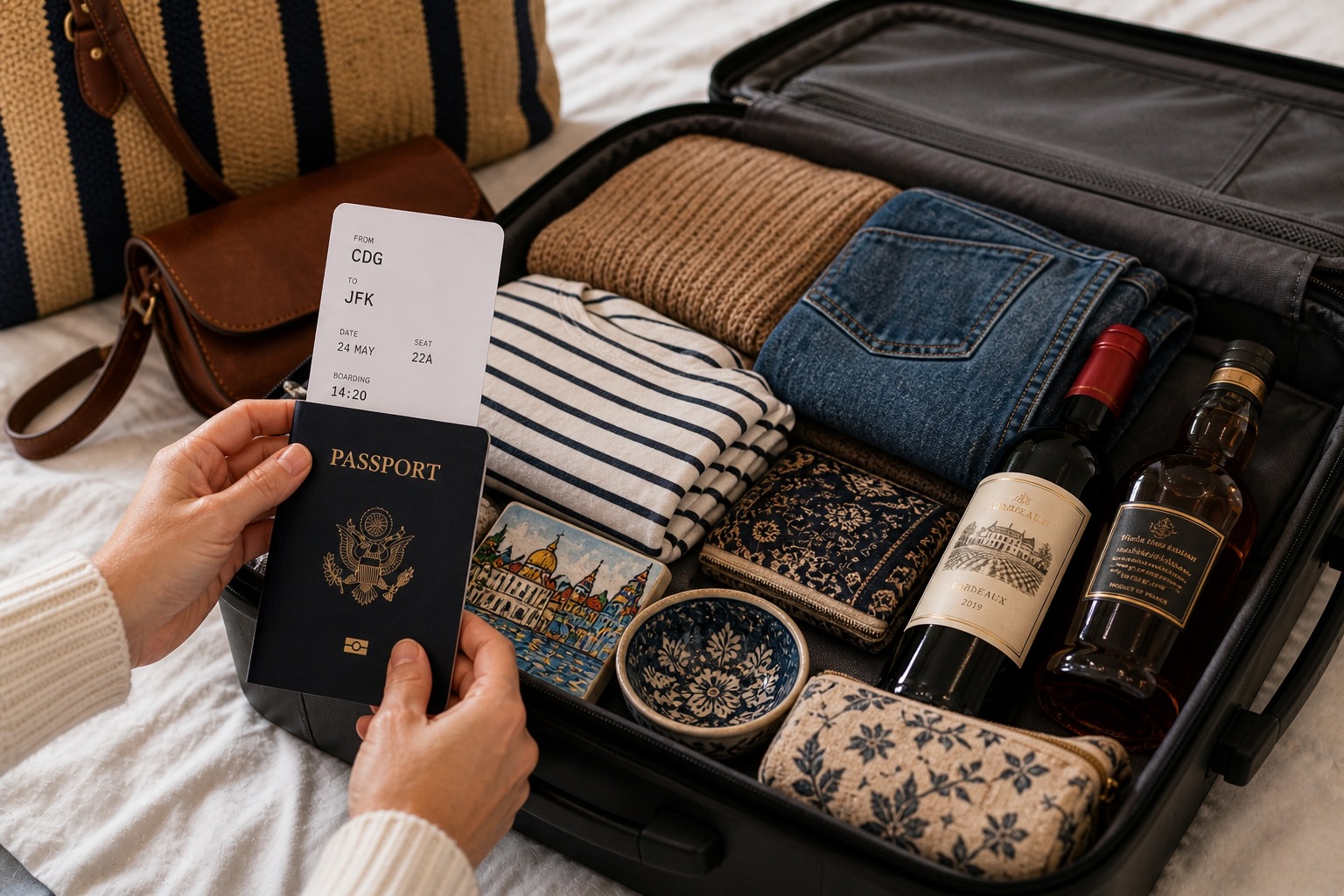
You’ve spent a week visiting family abroad. You hit the market, picked up a few gifts, and maybe bought something nice for yourself. Now you’re at the airport, bags packed, and it hits you: how much of this can I actually bring back? When most travelers hear the term “duty-free allowance,” they assume it means it’s free. It doesn’t.
And the rules are more nuanced and more generous than most people realize. Whether you’re flying back to the US or heading to your home country, here’s everything you need to know about the duty-free allowance before you pack that last bag.
What “Duty-Free” Actually Means
When you walk through a duty-free shop at the airport, you’re buying goods without paying the local taxes of the country you’re leaving. That’s it. Those purchases are not automatically free of duty when you land back home.
What actually determines whether you owe anything at US Customs is your personal duty-free exemption — the total value of goods you’re allowed to bring back without paying import duty. Exceed it, and you’ll pay duty on the overage. Your money or goods won’t be seized (that’s the cash rule — a different thing entirely). You just pay a percentage on what’s over the limit.
The Three Tiers: $200, $800, and $1,600
Your duty-free allowance isn’t a flat rate. It depends on where you’ve been and how long you were gone.
The $200 Exemption
This is the lowest tier, and it catches a lot of people off guard. You get only $200 duty-free if:
- You’ve been outside the US for fewer than 48 hours, or
- You’ve already used your exemption in the past 30 days
A quick trip to Canada or Mexico over the weekend? You’re working with $200. And unlike the other tiers, families cannot combine their $200 exemptions. Each traveler gets their own $200, and that’s final — no pooling allowed.
Also important: if you bring back more than $200 worth of dutiable goods under this tier, you owe duty on the full value, not just the excess. So if you bring back $300 worth of goods, you can’t deduct $200 and pay duty on $100. The entire $300 is dutiable.
Real example
You fly to Toronto for the weekend and come back with $300 worth of goods. Because you were gone less than 48 hours, your exemption is only $200 — and the full $300 is dutiable, not just the $100 over the limit.
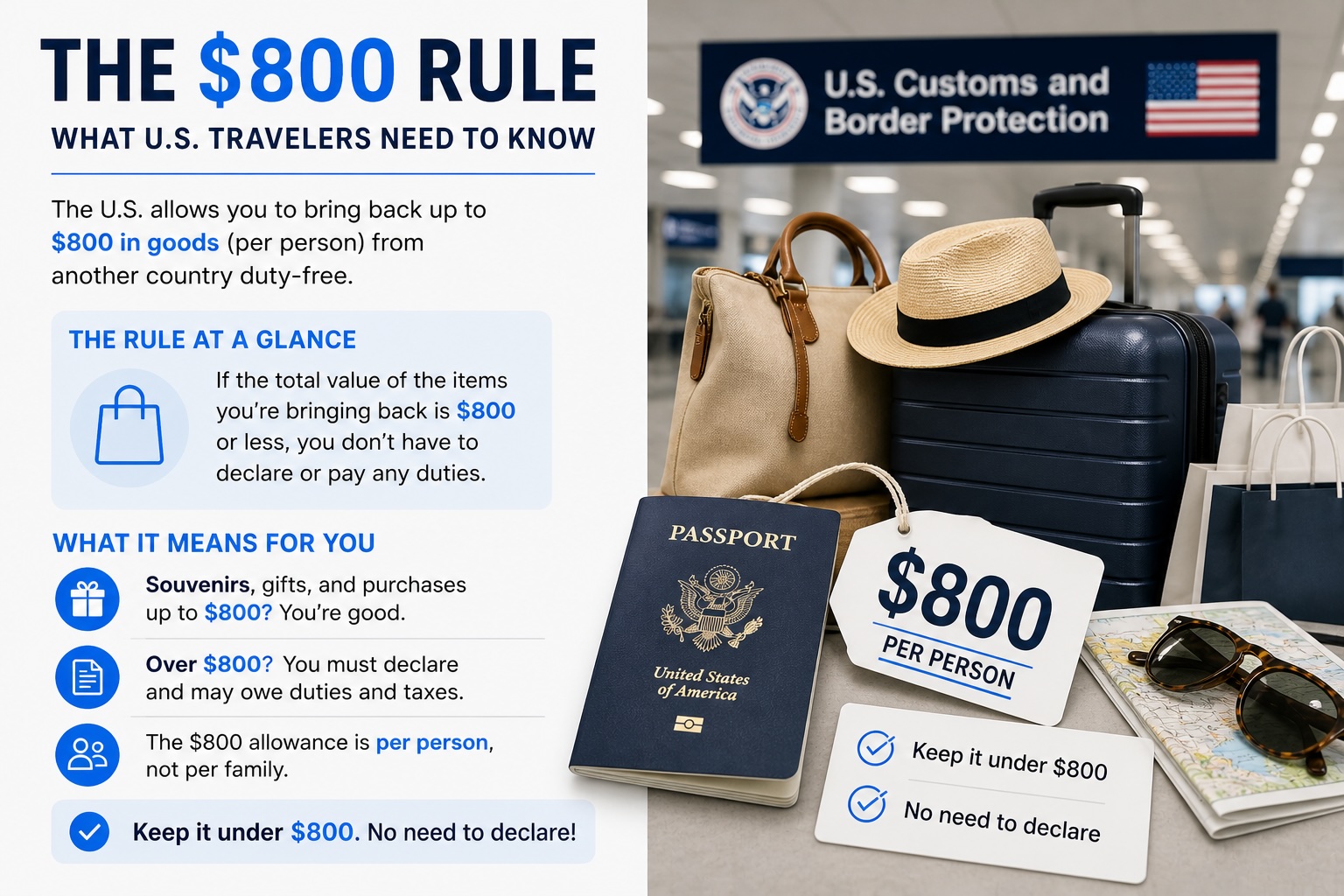
The $800 Exemption
This is what most international travelers qualify for. You get an $800 duty-free exemption if:
- You’ve been outside the US for at least 48 hours
- You haven’t used your exemption in the past 30 days
- The goods are for personal or household use, or being given as gifts
- You have the items with you when you return (not shipped ahead)
The good news for families: household members traveling together can combine their $800 exemptions. A family of four has a combined $3,200 allowance on a single customs declaration. One family member can declare for everyone.
And here’s something many travelers miss: some items don’t count toward your $800 at all. Fine art, antiques over 100 years old, and original sculptures are duty-free regardless of value. A $500 painting you bought abroad won’t eat into your exemption.
The $1,600 Exemption
The highest tier applies if you’re returning directly from a US insular possession — specifically the US Virgin Islands, American Samoa, or Guam. You get $1,600 duty-free, and you can bring back up to five liters of alcohol (as long as at least four were purchased in the insular possession and one is a local product).
What’s Included in Your Exemption — and What Isn’t
Everything you acquired abroad counts toward your exemption: purchases, gifts you received, and items you bought to give as gifts. A few rules worth knowing:
- Gifts must be declared. Whether you bought them or received them, all gifts are included in your exemption total.
- Don’t gift-wrap items before flying. CBP may need to inspect them, and unwrapping at customs is nobody’s idea of a good time.
- Repairs count. If you took a watch or piece of clothing abroad and had it repaired or altered, the cost of that repair is considered a foreign purchase and must be declared.
- Goods for business don’t qualify. Your exemption applies to personal and household use only. Commercial goods are a separate matter entirely.
- Alcohol: One liter duty-free per adult (21+). You can bring more, but you’ll pay duty and IRS excise tax on anything above one liter.
- Tobacco: Up to 200 cigarettes (one carton) and 100 cigars duty-free, within your exemption.
The Canada Rule Most Travelers Get Wrong
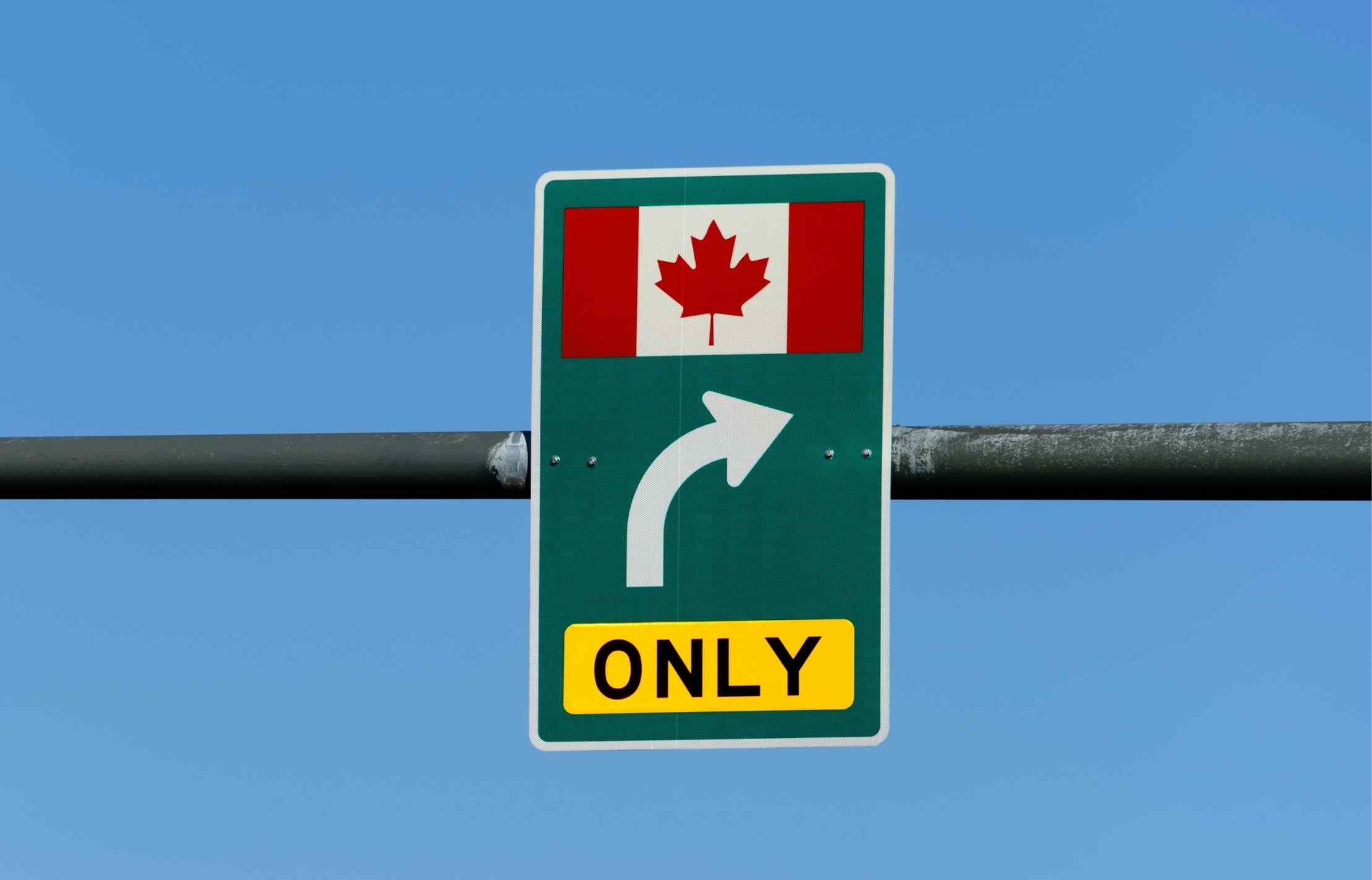
Many Americans assume that duty-free rules apply only when returning from Europe or long-haul destinations. The rules apply equally to Canadians entering the US, and the same is true in reverse for US citizens entering Canada.
Cross into Canada for a day trip? You’re in the $200 tier on your way back. Stay 48 hours? $800. The border doesn’t care how close the country is. The rules are the same whether you flew to Paris or drove to Vancouver.
For Canadians entering the US, CBP applies the same duty-free allowance. And when Canadians return home to Canada, the CBSA has its own tiered system: CAD $200 for trips of 24 hours or more, and CAD $800 for trips of 48 hours or more — with alcohol and tobacco included in the longer exemption.
Quick rule
The US-Canada border is not a customs-free zone. The same $200/$800 rules apply whether you’re returning from Toronto or Tokyo.
What If You Go Over Your Exemption?
Going past your limit doesn’t mean your items get confiscated. It means you pay duty on the value above your exemption. CBP applies a flat 3% duty rate on the next $1,000 over your limit for most goods, so overage duty is often less than people fear.
For example, if your duty-free allowance is $800 and you bring back $1,200 worth of goods, you pay 3% on the $400 overage. That’s about $12. Beyond that first $1,000 over the limit, standard duty rates apply by product category.
The key is declaring everything honestly. Attempting to hide purchases — not declaring a new watch, or wearing new clothing to look “used” — risks seizure of the item and penalties far greater than the duty you were trying to avoid.
Heading to Your Home Country? Duty-Free Rules Abroad
If you’re an expat or VFR traveler flying from the US to your home country, the US exemption no longer applies — you’re entering another country’s customs system, and each has its own rules. Here’s what to know for the most common destinations.
| Country | General goods allowance | Alcohol | Tobacco |
|---|---|---|---|
| United States | $800 (after 48hrs) | 1 liter duty-free | 200 cigarettes, 100 cigars |
| European Union | €430 by air/sea (~$470) | 1L spirits or 2L wine | 200 cigarettes or 50 cigars |
| United Kingdom | £390 (~$495) | 1L spirits or 2L wine | 200 cigarettes or 50 cigars |
| Canada | CAD $800 after 48hrs (~$590) | 1.5L wine or 1.1L spirits | 200 cigarettes, 50 cigars |
| Australia | AUD $900 (~$580) | 2.25 liters | 25 cigarettes or 25g tobacco |
| India | ₹75,000 (~$880) as of Feb 2026 | 2 liters | 100 cigarettes or 25 cigars |
| Nigeria | $300 USD (as of Sept 2025) | 1L spirits, 1L wine | 200 cigarettes or 50 cigars |
A few important notes on this table:
- India updated its baggage rules in February 2026, raising the duty-free limit to ₹75,000 and reducing customs duty to a flat 10% on most personal goods above the limit. This is a significant improvement for NRIs and expats visiting from the US. Electronics, fashion, and gifts now attract far lower duties than before.
- Nigeria introduced a formal $300 duty-free threshold in September 2025 — a new and more transparent system that replaces the previous discretionary approach at airports. The limit applies per person per quarter.
- The EU threshold of €430 is notably lower than the US $800; travelers flying into EU countries with more than €430 in new purchases technically should use the Red Channel to declare and may owe VAT on the excess.
- In India, duty-free allowances are assessed per person individually — they cannot be combined between family members.
Practical Tips for Staying on the Right Side of Customs
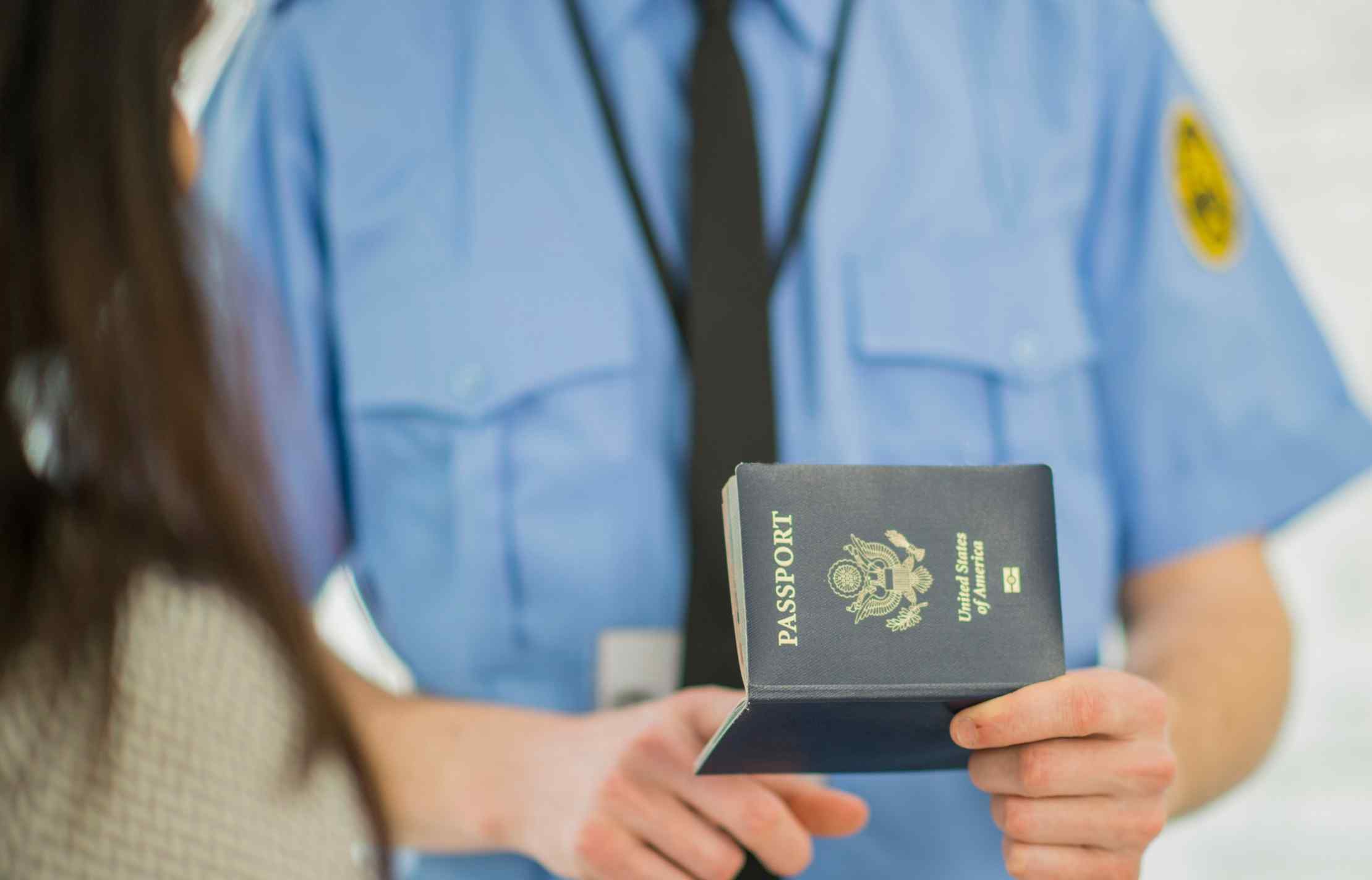
- Keep your receipts. CBP may ask for proof of value. If you don’t have a receipt, an officer will estimate — and they won’t estimate low.
- Don’t gift-wrap items before you fly. They may need to be inspected at customs.
- Register valuables before you leave the US. If you’re traveling with an expensive camera, laptop, or watch you already own, register it with CBP Form 4457 before departure. Otherwise, customs may treat it as a foreign purchase on your return.
- Worn or used items generally don’t count. Clothing you wore on your trip, personal electronics you took with you — these aren’t dutiable on return as long as you can show they’re not new purchases.
- Declare everything in doubt. The penalty for not declaring something that should have been declared is forfeiture of the item — far more costly than the duty itself.
- Check your home country’s rules before you shop. If you’re heading to India, Nigeria, or another destination with lower thresholds than the US, plan your shopping accordingly.
More from our international travel rules series:
- The $10,000 Cash Rule: What Travelers Get Wrong About Carrying Cash — What you actually need to declare at the border
- What Food Can You Bring Into the US? — Which foods can you bring back from your trip abroad
- Beef Jerky, Cheese & Cured Meats: What Meat and Cheese Can You Bring Into the US? — Prosciutto is a no; Parmigiano is a yes. All the details about bringing meat and cheese to the US
Frequently Asked Questions
Does the $800 exemption apply every time I travel internationally?
Only if you haven’t used it in the past 30 days and you’ve been outside the US for at least 48 hours. Frequent travelers who cross the border multiple times a month are limited to the $200 exemption after their first qualifying trip.
Can I mail purchases home instead of carrying them?
Yes, but they won’t count under your personal exemption — they’re treated as separate imports. Packages mailed to yourself from abroad are duty-free up to $200 in value. Above that, duty may apply. Items sent from Guam or the US Virgin Islands have different rules.
Do airport duty-free purchases count toward my $800?
Yes. Buying something in a duty-free shop reduces the local tax you pay at that airport — but the item still counts toward your US exemption when you land. Many travelers assume duty-free means customs-free. It doesn’t.
What if I’m traveling to a country with a lower threshold than the US?
You follow that country’s rules, not the US rules. If you’re flying into the EU with €500 worth of new purchases, you’re over the €430 threshold and should declare the excess. Your US exemption is irrelevant at a foreign customs checkpoint.
I bought a gift for someone back home. Does it count toward my exemption?
Yes. All gifts — whether you bought them or received them — count toward your duty-free total. There’s no gift exception to the exemption limit.

Get it right to your inbox by subscribing to ASAP Tickets weekly emails featuring the hottest flight deals from US to the .
Massive savings • Unsubscribe at any time.
You were sucessfully subscribed
Please check your inbox to confirm the subscription