


Flights to Dakar have a secret that most travelers don’t know. The route from the US to Dakar has one major advantage over almost every other African destination: a true nonstop option. Delta flies directly from New York JFK to Dakar’s Blaise Diagne International Airport (DSS) in just over 8 hours. No stops, hub connections, or long layovers.
But here’s the catch. Not all months are equal. Fares on flights to Dakar swing significantly across the year, and the reasons behind those swings are specific to this route. Get the timing right, and you pay far less for the exact same seat.
This guide walks you through the full year, month by month, so you know exactly when to book and why.
Why Flights to Dakar Are Unique
Before we break down the calendar, it helps to understand what makes this route different from most US-to-Africa flights.
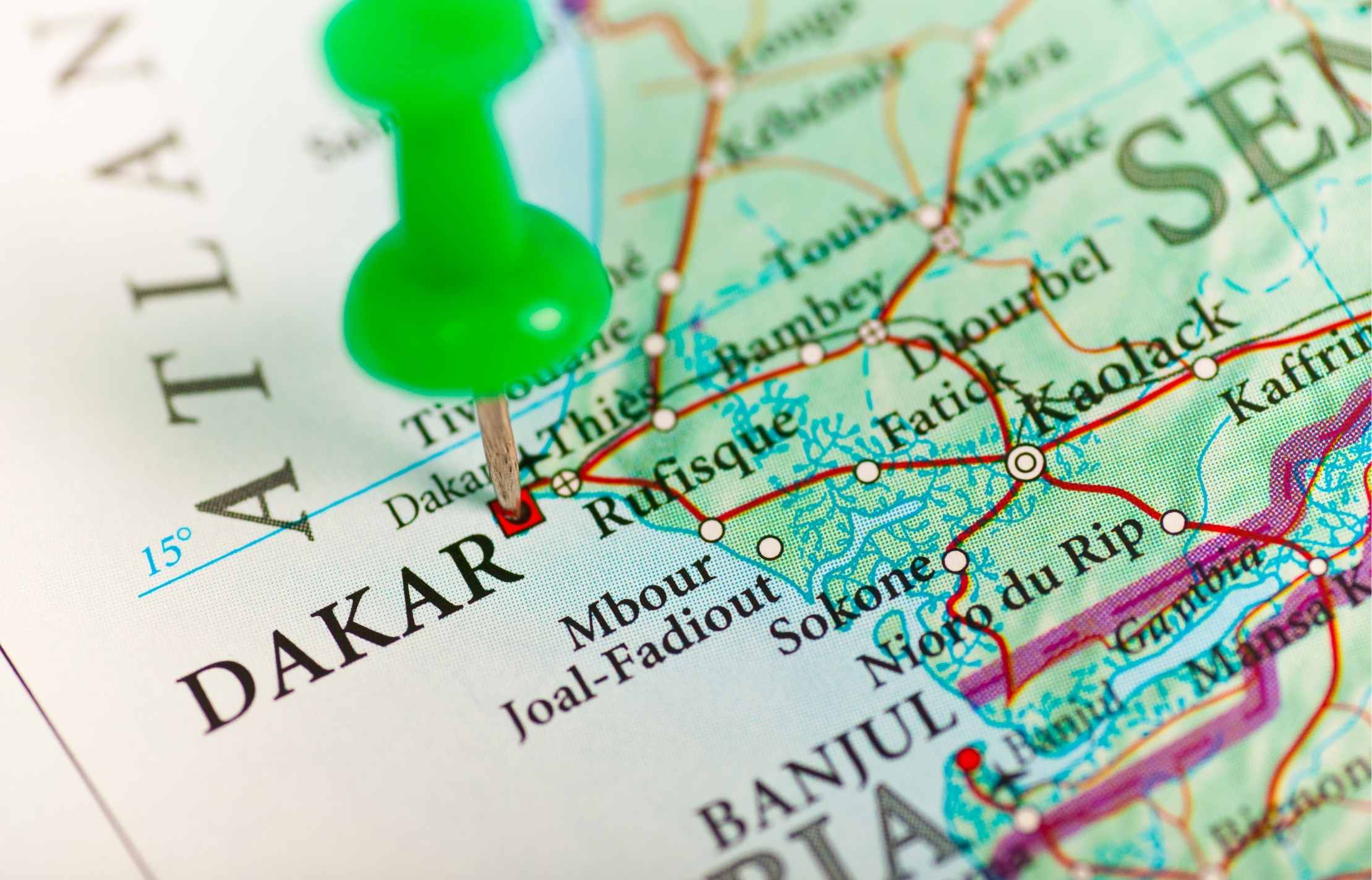
Dakar sits on the westernmost tip of Africa: closer to New York than any other major African capital. That geography works in your favor. The JFK–DSS nonstop covers roughly 3,825 miles in about 8 hours, which is shorter than many transatlantic flights to Europe. For comparison, flights to Nairobi or Lagos take 15 hours or more and always require a connection.
The nonstop is operated by Delta, and it’s the only true direct service from the US to Dakar. That matters because when you fly nonstop, your fare depends on the demand for a single route, not on the fill rate at a European or Middle Eastern hub. Prices are more predictable. And the travel experience is simply better.
However, this also means Delta controls the nonstop pricing entirely. When demand spikes (whether from the diaspora community, tourists, or business travelers), fares go up quickly. Knowing when those spikes happen is the whole game.
The Senegalese Diaspora and the US Travel Calendar
Flights to Dakar aren’t just for tourists. The Senegalese community in the United States is concentrated primarily in New York City, particularly in Harlem’s Little Senegal neighborhood around 116th Street, with additional communities in Maryland, New Jersey, and a fast-growing population in Detroit. This diaspora drives a distinct travel pattern that pushes prices up at specific times of year.
Two events shape the diaspora travel calendar more than anything else.
- Tabaski (Eid al-Adha): Tabaski is the most important holiday in Senegal. It’s a Muslim celebration that falls roughly 70 days after Ramadan, and its date shifts each year on the Gregorian calendar. When Tabaski falls during a US school break or summer vacation, demand for flights to Dakar surges sharply. Families reunite, gifts travel, and seats fill fast.
- The December–January period: Christmas and New Year bring a second major diaspora wave. Senegalese families who haven’t returned home in months or years often make the trip at year’s end. Prices reflect that demand.
If you’re planning travel around either of these windows, early booking isn’t optional. It’s a must.
The Cheapest Months for Flights to Dakar
February: The Standout Low Point
February is consistently the cheapest month for flights to Dakar from the US. Post-holiday demand has settled. Tabaski is typically months away. Tourist interest in Senegal is moderate. The result is the lowest average fares of the year on this route.
This is the window to target if your dates are flexible. Fares drop well below the annual average, and availability tends to be good because competition for seats is lower.
October and November: The Other Quiet Window
October and November offer the second-best fares on flights to Dakar. Senegal’s rainy season ends in October, the weather improves significantly, and the December holiday surge hasn’t yet arrived. This combination keeps demand in check and prices competitive.
October in particular is worth watching closely. It’s an underrated month for this route — good weather, manageable crowds in Dakar, and fares that hold up well compared to the peak summer months.
May: Also Worth Considering
Data from multiple booking platforms flag May as another relatively affordable month. The Ramadan travel effect (which can push fares higher in April or May, depending on the calendar year) tapers off, and summer demand hasn’t fully arrived. May travel gives you good weather — Dakar’s dry season runs through June — at prices that are still reasonable.
The Most Expensive Times for Flights to Dakar
June and July: Double Demand Pressure
June and July are the most expensive months for flights to Dakar. Two forces push fares up simultaneously.
First, it’s peak summer travel season from the US. Families take vacations, students travel, and demand across all international routes rises sharply. Delta’s JFK–DSS nonstop sees strong load factors simply because American travelers are flying more.
Second, Tabaski timing frequently falls in or near this window, depending on the year. When the diaspora travel calendar and the summer vacation calendar overlap, available seats disappear fast. Prices on flights to Dakar in June and July can run more than double the February average.
If you must travel in this window, book 3–4 months ahead. Waiting until May to book a July departure means you’ll be competing with travelers who planned months ago.
December: The Diaspora Rush
December is the single busiest month for flights to Dakar. The Senegalese diaspora heads home for year-end celebrations, and demand hits its annual peak. Fares spike sharply from mid-November onward as available seats on the nonstop fill up.
The pattern here mirrors what happens on other diaspora-heavy routes: prices that look manageable in September can nearly double by late November for December travel.
Rule of thumb: book your December flights to Dakar by September. Earlier is better. Waiting until November is one of the most common (and expensive) mistakes on this route.
March Spike: The Ramadan Effect
March is worth watching carefully. When Ramadan falls in March or early April, bookings from Muslim travelers who want to travel before or after the fasting month create a demand spike that many travelers don’t anticipate. This doesn’t happen every year at the same time — Ramadan shifts by about 11 days annually —, but it’s a real factor on a route where the majority of diaspora travelers are Muslim.
Check the Ramadan calendar for your travel year before assuming March is a quiet month.
The Booking Window That Changes Your Fare
Timing when you book matters just as much as timing when you travel.
Research consistently shows that booking 2–3 months before departure hits the sweet spot on transatlantic routes. This window gives you access to good availability before airlines adjust pricing upward, without booking so far ahead that fares haven’t yet dropped to their lowest point.
For peak periods (June through August and December) move that window to 3–4 months. The nonstop fills faster than connecting alternatives because travelers prefer it, and Delta prices it accordingly once seat inventory tightens.
For the cheapest travel windows like February and October, you have a little more flexibility, but booking at least 6–8 weeks out is still advisable. Last-minute deals on the JFK–DSS nonstop are rare.
Which US Cities Offer the Best Fares to Dakar?
Your departure city has a significant impact on what you pay.
New York (JFK): The clear winner. JFK is the only US airport with nonstop service to Dakar via Delta. If you can fly from JFK, you avoid a connecting hub entirely — and the nonstop option keeps competitive pressure on fares. JFK also serves the largest Senegalese community in the US, which drives consistent booking volume year-round.
Washington D.C. (IAD/DCA): A strong second option for connecting flights. D.C. serves a notable Senegalese and broader West African diaspora community, and connecting options via Paris, Amsterdam, or Casablanca are competitive.
Atlanta (ATL): Delta previously operated a nonstop from Atlanta to Dakar, but that route no longer runs. Connecting fares from Atlanta via European hubs remain available and are worth comparing, particularly via Royal Air Maroc through Casablanca.
Miami (MIA): Royal Air Maroc connects Miami to Dakar via Casablanca with competitive fares, making it a useful option for travelers in the Southeast and Latin American diaspora communities with ties to Senegal.
Airlines That Fly to Dakar from the US
| Airline | Hub | Route Type | Best For |
|---|---|---|---|
| Delta | Nonstop (JFK–DSS) | Direct | Travelers near New York who want the fastest option |
| Air France | Paris CDG | 1 stop | East Coast travelers, Delta codeshare fares |
| KLM | Amsterdam AMS | 1 stop | East Coast travelers, Delta codeshare fares |
| Royal Air Maroc | Casablanca CMN | 1 stop | Best value connecting fares, Miami & D.C. travelers |
| TAP Air Portugal | Lisbon LIS | 1 stop | Competitive East Coast fares |
| Turkish Airlines | Istanbul IST | 1 stop | Travelers from the Midwest and beyond |
Delta Air Lines is the only carrier offering a nonstop flight from the US to Dakar. The JFK–DSS route operates 3 times per week and takes approximately 8 hours. For travelers based in or near New York, this is the simplest and often the most competitive option: no connections, no layovers, no hub congestion to deal with.
Royal Air Maroc connects multiple US cities to Dakar via its Casablanca hub. It flies nonstop from New York JFK, Washington D.C., and Miami to Casablanca, then onward to Dakar. The Casablanca layover is generally efficient, and Royal Air Maroc’s fares are frequently competitive — especially during windows when Delta’s nonstop pricing is elevated.
Air France connects from New York, Washington D.C., and other US cities via Paris CDG. Paris to Dakar is a busy and well-served route, so availability is good and connection times are typically smooth.
TAP Air Portugal offers connections via Lisbon and has emerged as a cost-competitive option on the US–Dakar corridor, particularly for travelers departing from the East Coast.
Turkish Airlines routes through Istanbul and serves several US gateway cities. Fares are often competitive, particularly in off-peak periods, though total travel time is longer than the European hub options.
Month-by-Month Summary
| Month | Price Level | What’s Driving It |
|---|---|---|
| January | Low–Medium | Post-holiday slowdown, diaspora wave passes |
| February | Lowest | Quietest demand period of the year |
| March | Medium–High | Ramadan effect in some years |
| April | Medium | Shoulder season, easing after Ramadan |
| May | Low–Medium | Pre-summer, dry season begins |
| June | High | US summer travel + potential Tabaski overlap |
| July | Highest | Peak summer + peak diaspora demand |
| August | High | Late summer, still elevated |
| September | Medium | Demand eases, prices start dropping |
| October | Low–Medium | Second sweet spot, rainy season ends |
| November | Low–Medium | Good fares before December spike |
| December | Very High | Diaspora year-end rush, seats fill fast |
What This Means for Your Next Trip
Flights to Dakar are among the most accessible from the US — 8 hours nonstop from New York is a genuine advantage this route has over almost every other African destination. But that accessibility disappears fast when you try to fly in peak demand windows without booking ahead.
The short version:
- February is the best month for low fares
- October and November are your second-best windows
- Avoid June and July unless you book 3–4 months ahead
- For December, book by September at the latest
- New York JFK gives you the nonstop advantage — use it
- Book 2–3 months out for the best balance of price and availability
Ready to find the best flights to Dakar for your dates? ASAP Tickets agents have access to private bulk fares on this route that don’t appear on public booking sites. Call us 24/7 at 844-300-7983 to find out about the currently available deals.
Frequently Asked Questions About Flights to Dakar
Is there a nonstop flight from the US to Dakar?
Yes. Delta operates nonstop service between New York JFK and Dakar’s Blaise Diagne International Airport (DSS), 3 times per week.
What is the cheapest month to fly to Dakar from the US?
February is consistently the cheapest month. Demand is low across both diaspora and tourist traveler segments, and fares drop significantly compared to the summer and December peaks. October and November are the next best options.
How far in advance should I book flights to Dakar?
For standard travel, book 2–3 months in advance. For peak periods like June–August and December, book 3–4 months out.
Which airline is best for flights to Dakar?
It depends on your departure city and priorities. Delta’s nonstop from JFK is the best option for travelers near New York who want the shortest travel time. Royal Air Maroc is often the most competitive on price for connecting flights, routing through Casablanca. Air France and TAP Air Portugal are strong alternatives via Paris and Lisbon, respectively.
What is the Tabaski effect on flights to Dakar?
Tabaski is the most important holiday in Senegal and is observed by the majority Muslim population. It shifts approximately 11 days earlier each year on the Gregorian calendar. When Tabaski falls during the summer months, it creates a major demand spike on flights to Dakar that coincides with the peak US travel season. When it falls in winter or spring, the spike is less severe. Always check the Tabaski date for your travel year before finalizing your booking.
Also worth reading:

Get it right to your inbox by subscribing to ASAP Tickets weekly emails featuring the hottest flight deals from US to the .
Massive savings • Unsubscribe at any time.
You were sucessfully subscribed
Please check your inbox to confirm the subscription