

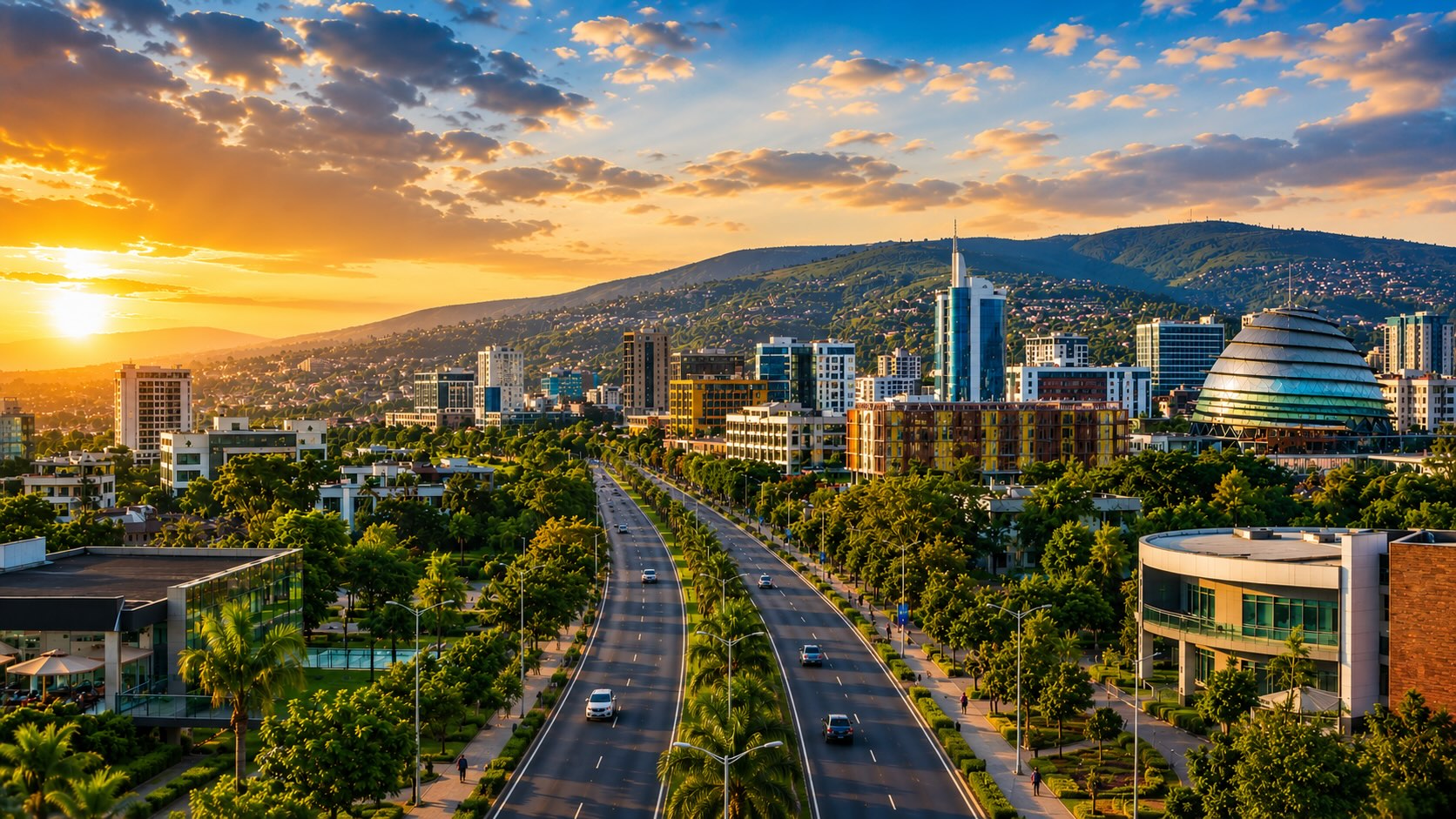
You have been thinking about this trip for years. Your kids have grown up hearing stories about Manila, eating adobo at family gatherings, and calling your parents Lola and Lolo over video chat. Now it is time to take them there in person. Planning a family trip to the Philippines is one of the most meaningful things a Fil-Am parent can do.
It is not just a vacation. It is the trip where your children discover where half of their story comes from. And with the right preparation, it is also surprisingly manageable, even with young kids in tow.
This guide covers everything you need: the best time to go, how to survive the long flight, what to pack, which destinations work best for families, and how to make the experience stick for your children.
Why a Family Trip to the Philippines Is Different for Fil-Ams
Most travel guides treat the Philippines as a beach destination. For you, it is something else entirely.
Your family trip to the Philippines comes with a lola who has been counting the days. It comes with cousins your kids have never met. It comes with a house that smells like garlic rice in the morning, and a table that never seems to empty of food.
That emotional weight is a gift. Use it. The most powerful thing about this trip is that your children will not just see the Philippines, they will feel like they belong there.
That said, the logistics still matter. So let us get into them.
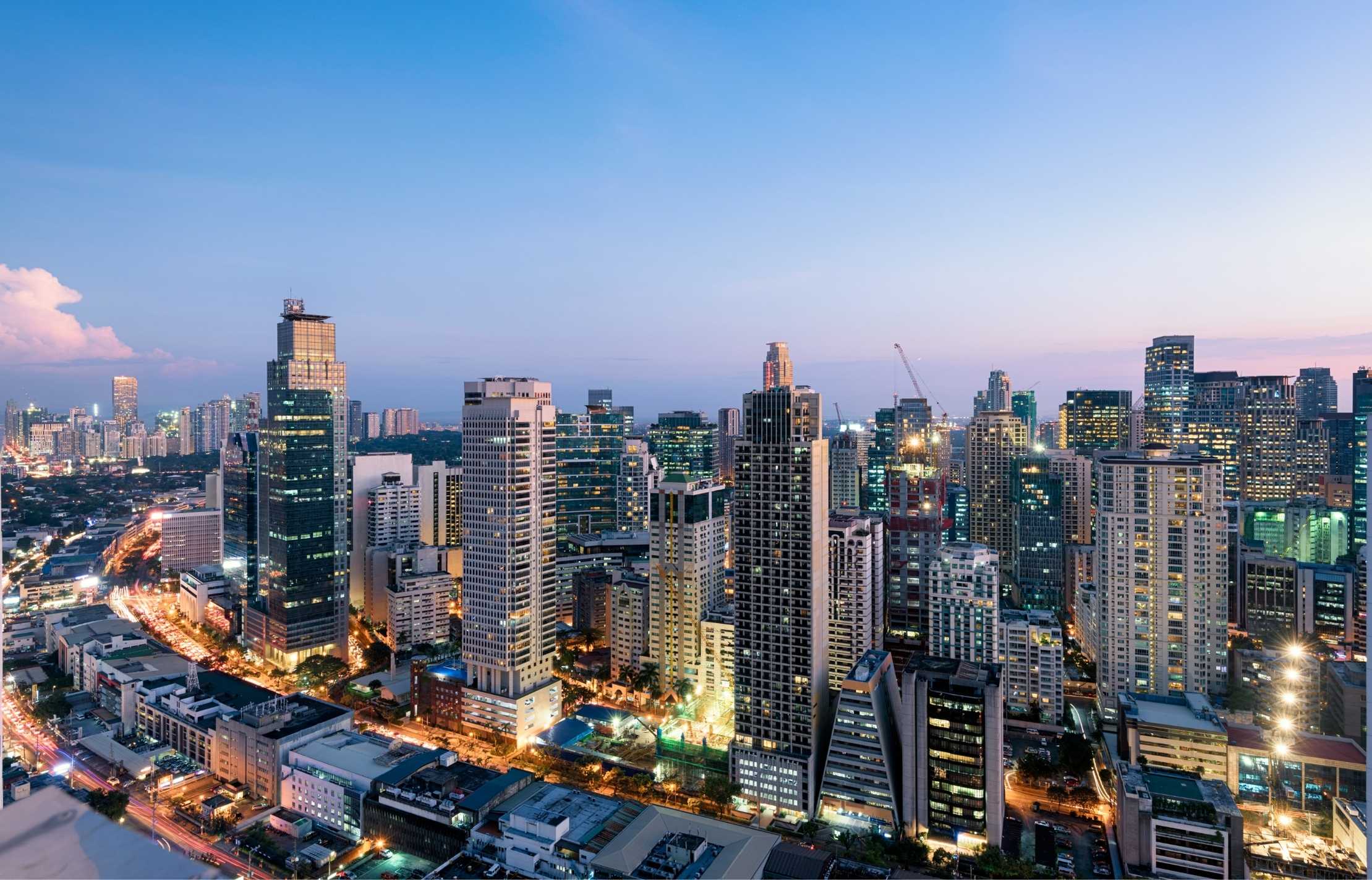
When Is the Best Time to Go?
Timing your family trip to the Philippines well makes a big difference. The Philippines has two main seasons: dry and wet.
December to May is the dry season. The weather is sunny, the beaches are calm, and the islands are at their most accessible. January through April is the sweet spot — school is still in session in the Philippines, so major tourist spots are quieter than you might expect.
June to October brings rain. Typhoons are possible, especially from August onwards. Travel is not impossible, but you need to be flexible with your plans.
For Fil-Am families traveling from the US, summer (June to July) and Christmas (December) are the most popular times. However, these are also the most expensive. Cheaper fares sell out fast, and prices spike significantly. If your kids’ school schedule allows it, February to April is the best combination of good weather, lower fares, and manageable crowds.
Pro tip: Christmas in the Philippines is magical, but it is also the busiest travel season of the year. Book at least four to six months ahead if you plan to go during December.
Booking Flights: What Fil-Am Families Should Know
The flight from the US to Manila is long, typically 14 to 16 hours from the West Coast, and 18 to 22 hours from the East Coast. That is a serious commitment when traveling with children. But Filipino Americans do it every year, and your family can too.
Here are a few things to keep in mind when booking.
- Fly nonstop if you can. Philippine Airlines operates direct flights from Los Angeles, San Francisco, and Honolulu to Manila. A nonstop flight is harder on your budget, but far easier on your kids. No rushing through a connecting airport with a tired five-year-old.
- Consider your departure city carefully. West Coast families have the best options. If you are flying from the East Coast, a one-stop connection through Seoul, Tokyo, or Taipei is usually your best route. Our guide to flight times to the Philippines by city breaks this down in detail.
- Book through a travel agent. A family trip to the Philippines involves more variables than a solo booking. Seat configurations matter. Baggage allowances matter. And getting everyone on the same flights matters. ASAP Tickets agents work directly with Philippine Airlines and 70+ other carriers, so they can find combinations you won’t find on any booking site. Call 844-300-7983 to speak with an agent at any time.
Surviving the Long-Haul Flight with Kids
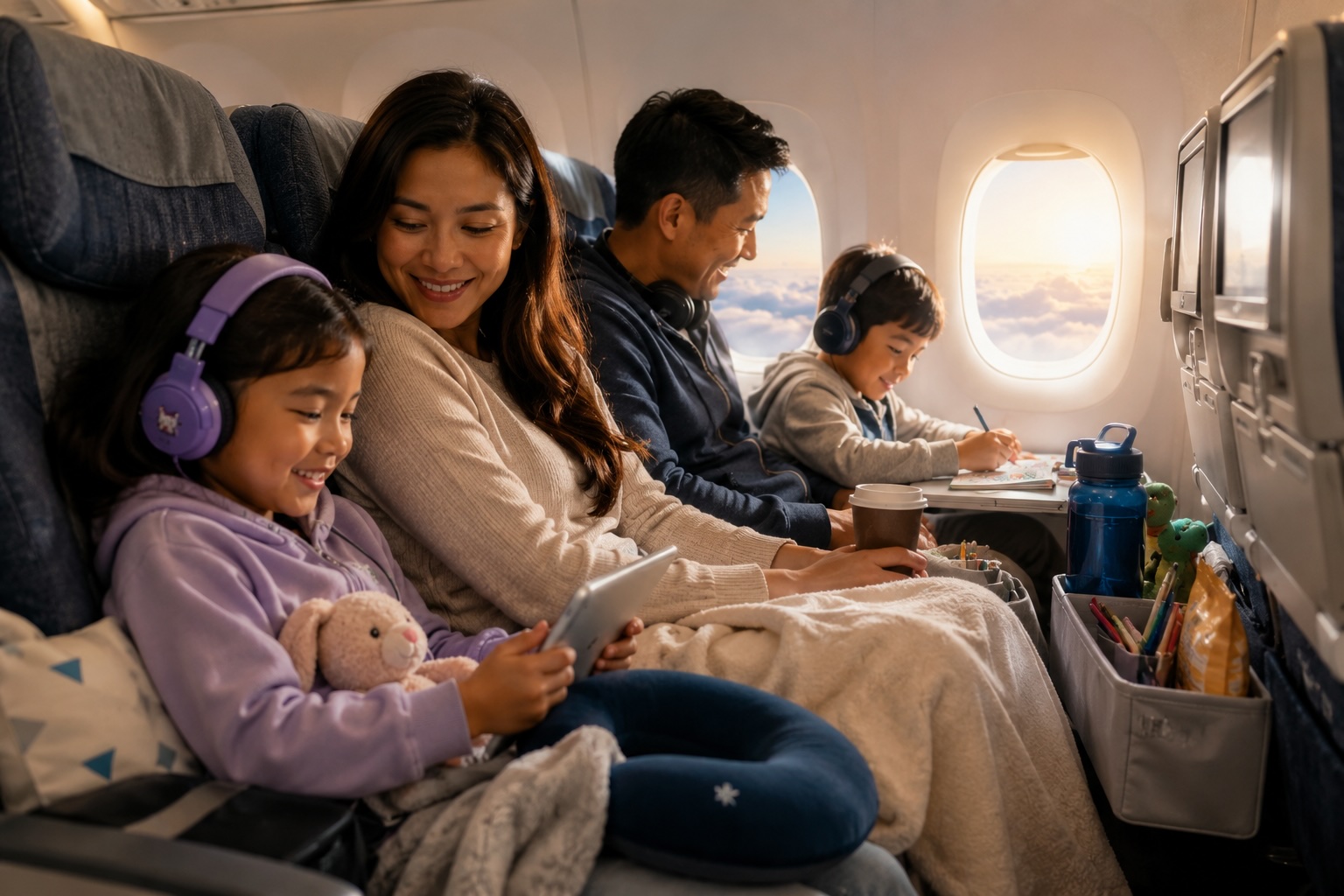
Let’s be honest. A 16-hour flight is tough. But Fil-Am families have been doing it for decades. Here is what experienced parents swear by.
- Download everything before you board. Do not rely on in-flight Wi-Fi. Download movies, shows, audiobooks, and games to tablets the night before. Philippine Airlines has in-flight entertainment, but having your own backup is always smart.
- Pack a carry-on just for the kids. Keep it separate from your main bag. Include snacks they love, a change of clothes, headphones, a small blanket, and one or two new toys or activity books they have not seen before. Novelty buys you time.
- Adjust sleep early. In the week before departure, start shifting bedtimes 30 to 60 minutes toward Philippine time. The Philippines is 12 to 15 hours ahead of US time zones. Even a small adjustment makes arrival easier.
- Ask for bulkhead seats. If you are traveling with a lap infant or a toddler, request bulkhead seats when you book. These offer more floor space and sometimes a bassinet attachment on long-haul routes.
- Walk the aisle. Kids cannot sit still for 16 hours. Plan for it. Take walks every two hours. Stretch together. Make it a game.
What to Do When You Land in Manila
NAIA (Ninoy Aquino International Airport) has four terminals. Philippine Airlines uses Terminal 3, which is newer and more comfortable. Most other international carriers use Terminal 1. Know which terminal you are arriving at before you land, because the terminals are not connected inside.
Once you clear immigration, expect some hustle and bustle. NAIA is busy. If your extended family is meeting you, coordinate a specific pick-up point in advance. The arrival hall can get crowded quickly.
If your family lives north of Manila, consider flying into Clark International Airport instead. It is quieter, faster to get through, and saves you hours of Manila traffic. Read our full guide to airports in the Philippines to compare your options.
Dual citizens and balikbayans: If you hold dual Filipino-American citizenship, you qualify for the balikbayan privilege — a visa-free stay of up to one year. You can also use the dedicated balikbayan lane at immigration, which moves faster. Bring your dual citizenship documents. Your children may also qualify if traveling with you.
The Best Destinations for a Family Trip to the Philippines
The Philippines has over 7,000 islands. You cannot see them all. So here is a practical shortlist for families, especially on a first trip.
Manila (2–3 days)
Start here. Manila is loud, alive, and full of history. Take the kids to Intramuros, the old walled city, and let them imagine what the Spanish colonial era looked like. Manila Ocean Park is a hit with younger children: it houses over 14,000 marine creatures from 277 species, all indigenous to the Philippines and Southeast Asia. And if Lola and Lolo are in Metro Manila, this is where family time happens first.
Bohol (3–4 days)
Bohol is one of the best stops on any family trip to the Philippines. The Chocolate Hills, over 1,200 perfectly cone-shaped hills spread across the landscape, are unlike anything your kids have ever seen. The Philippine Tarsier Sanctuary introduces them to one of the world’s smallest primates. And the beaches of Panglao Island are calm, warm, and very swimmable.
Fly from Manila to Tagbilaran in under an hour.
Palawan / El Nido (4–5 days)
Palawan is breathtaking. The lagoons, the limestone cliffs, the clarity of the water. This is the Philippines at its most iconic. El Nido is great for families who enjoy being outdoors. Island hopping, kayaking, and snorkeling are all manageable with older kids (ages 7+). For younger children, a quieter beach resort in Coron may be a better fit.
Fly directly from Manila to Puerto Princesa or El Nido.
Cebu (3–4 days)
Cebu is central, well-connected, and endlessly entertaining for families. The big draw for kids is swimming with whale sharks in Oslob, one of those experiences they will talk about for the rest of their lives. Cebu also has great food, a rich history (Magellan’s Cross, the Basilica Minore del Santo Niño), and easy access to nearby islands.

How to Make the Culture Stick for Your Kids
This is the part that matters most. A family trip to the Philippines should do more than create beach photos. It should give your children a real connection to their Filipino heritage.
Here are a few ways to make that happen.
- Let them pack the pasalubong. Before you leave the US, give each child a small budget and let them choose gifts to bring for cousins and relatives. It teaches them the Filipino tradition of pasalubong — bringing something home for the people you love — and gets them invested in the trip before it even starts.
- Teach them a few phrases. Salamat (thank you). Kumusta ka? (How are you?). Po and opo (terms of respect for elders). Your Filipino family will light up when your American-born kids use these. It shows respect, and it builds connection.
- Eat everything. Do not let kids stay in their comfort zones. Try sinigang, kare-kare, lechon, halo-halo, and bibingka. Food is one of the fastest ways into Filipino culture, and most kids find at least a few things they love.
- Visit the province. If your family has roots outside Manila — in Ilocos, Pampanga, Cebu, Davao, or anywhere else — try to go. The provinces show your children a side of the Philippines that tourists rarely see. And that is exactly the point.
Practical Tips Before You Go
A family trip to the Philippines requires a little extra preparation. Here is a quick checklist.
- Passports: Make sure every child has a valid US passport. Processing can take 6–8 weeks, so apply early.
- Dual citizenship for children: If your children qualify for Philippine citizenship through you, start the process before the trip. It takes time, but it opens doors — including the balikbayan privilege.
- Vaccinations: Talk to your pediatrician at least 6 weeks before departure. Hepatitis A and typhoid vaccines are commonly recommended.
- Sunscreen and mosquito repellent: Bring these from the US. Quality products are available in the Philippines, but US brands you know and trust are easier to find at home.
- Pesos: Exchange some cash before you land, or withdraw from an ATM at the airport. Many smaller establishments outside Metro Manila are cash-only.
- Travel insurance: Do not skip this. Medical care for children abroad requires coverage.
For baggage guidance, including how to handle a balikbayan box alongside your family’s checked luggage, read our full balikbayan travel guide.
Ready to Book Your Family Trip to the Philippines?
This trip will not plan itself. But it does not have to be complicated either.
ASAP Tickets specializes in flights to the Philippines for Filipino American families. Our agents know the routes, the airlines, and the seasonal pricing patterns. They can build a full family itinerary, international flights, domestic connections, and seat assignments all in one call.
Call 844-300-7983 today. Your lola has been waiting long enough.
Planning your trip? Read these next:
- Cheapest Months to Fly to the Philippines from the USA
- Best Airlines Flying to the Philippines
- Your Trip Back to the Philippines: The Complete Guide
- 20 Top Attractions in the Philippines
- Major Airports in the Philippines: Manila vs Cebu vs Clark vs Davao
Frequently Asked Questions About a Family Trip to the Philippines
Do US citizens need a visa to visit the Philippines?
No. US passport holders can enter the Philippines visa-free for up to 30 days. You can extend that stay at a local immigration office once you arrive. Filipino Americans with dual citizenship can stay for up to one year under the balikbayan privilege.
How long is the flight from the US to the Philippines with kids?
From the West Coast, expect 14 to 16 hours on a nonstop flight. From the East Coast, a one-stop itinerary typically runs 18 to 22 hours total. Philippine Airlines flies direct from Los Angeles, San Francisco, and Honolulu to Manila.
Is the Philippines safe for families with young children?
Yes. Filipinos are famously family-oriented, and children are welcomed warmly everywhere. Standard travel precautions apply — stay aware in crowded areas, keep kids hydrated in the heat, and use mosquito repellent in the evenings.
What is the best age to take kids to the Philippines?
There is no wrong age, but many Fil-Am parents find that ages 5 and up get the most out of the trip. Younger children will enjoy it too — just plan for more downtime and shorter days.
How much does a family trip to the Philippines cost?
Flights are the biggest expense. Round-trip fares from the US to Manila typically range from $900 to $1,400 per person, depending on the season and how far in advance you book. Once you land, the Philippines is very affordable: food, transport, and accommodation cost a fraction of US prices.
Get it right to your inbox by subscribing to ASAP Tickets weekly emails featuring the hottest flight deals from US to the .
Massive savings • Unsubscribe at any time.
You were sucessfully subscribed
Please check your inbox to confirm the subscription