

If you were born in the Philippines and now hold a US passport, here’s something that changes how you plan every trip home. The balikbayan privilege lets you stay in the Philippines visa-free for up to 1 year, compared with the standard 30 days for most foreign visitors.
That difference makes a difference. It affects the ticket you book, the return date you choose, and whether an extended stay with family is even possible. Yet many travelers who qualify for the balikbayan privilege don’t know it exists. Others know about it but arrive at immigration without the right documents and miss out.
Our guide explains exactly who qualifies, what to bring, and what to do at the airport. Let’s make sure you get every day you’re entitled to.
What Is the Balikbayan Privilege?
The balikbayan privilege is a benefit created under Philippine law (Republic Act 6768, later expanded by Republic Act 9174) to encourage overseas Filipinos to come home. The word balikbayan itself means “returning to the country.”
The headline benefit is simple: a visa-free stay of up to one year, granted on arrival. No visa application. No embassy paperwork before your trip. You request it at the immigration counter when you land.
The privilege also comes with two additional perks. Balikbayans are exempt from the Philippine travel tax, as long as the stay doesn’t exceed one year. They also receive a duty-free shopping allowance at Philippine government-operated duty-free shops shortly after arrival.
Who Qualifies as a Balikbayan?
Under the law, three groups qualify:
1. Filipino citizens living abroad. If you hold a Philippine passport and have been continuously outside the Philippines for at least one year, you’re a balikbayan. As a citizen, you don’t need a visa anyway, but the status gives you the travel tax exemption and duty-free benefits.
2. Former Filipino citizens. This is the biggest group. If you were born a Filipino citizen and later naturalized in another country (becoming a US citizen, for example), you qualify for the full one-year visa-free stay. The key condition is that your new country of citizenship must be on the Philippines’ visa-free entry list (established under Executive Order 408). The United States, Canada, and most Western countries are on it.
3. The balikbayan’s spouse and children. Here’s the part many families miss. Your non-Filipino spouse and unmarried children can also receive the one-year visa-free stay even if they’ve never held Philippine citizenship. Two conditions apply. They must be citizens of a visa-free country themselves. And, critically, they must enter the Philippines with you on the same trip.
That last point trips up more families than any other rule. If your American spouse flies to Manila a week before you, they get the standard 30-day visitor stay, not the balikbayan year. Traveling together isn’t a suggestion. It’s the requirement.
What Documents Do You Need?
The balikbayan privilege is a benefit, not an automatic right. The immigration officer grants it based on the proof you present. Arrive prepared.
If you’re a former Filipino citizen, bring:
- Your current foreign passport, valid for at least six months beyond your intended stay
- Proof of former Philippine citizenship: your old Philippine passport or a PSA-issued Philippine birth certificate
One important warning: a US passport that lists “Philippines” as your place of birth is not sufficient proof on its own. Immigration officers are instructed to require the old passport or birth certificate. Many travelers assume the birthplace line is enough and learn otherwise at the counter.
If your spouse is claiming the privilege, they should bring:
- Their own valid passport
- Your marriage certificate (with an English translation, if issued in another language)
If your children are claiming the privilege, they should bring:
- Their own valid passports
- Their birth certificates showing you as a parent, or adoption papers for legally adopted children
Everyone should also have:
- A return or onward ticket
- Completed eTravel registration (the Philippines’ online arrival registration, done before departure; it’s free)
Keep these documents in your carry-on, not your checked luggage. You’ll need them before you ever reach baggage claim.
What Happens at Immigration
This part is simple, but you have to do it actively. When you reach the immigration counter, tell the officer you’re availing of the balikbayan privilege. Don’t assume it will be applied automatically. Request it, then present your documents.
If everything is in order, the officer stamps your passport with a one-year stay. Check the stamp before you walk away. If it says anything less than one year, ask about it on the spot. Fixing a stamp at the counter takes a minute. Fixing it later means a trip to a Bureau of Immigration office.
Many major Philippine airports also have a dedicated balikbayan lane at immigration, which typically moves faster than the regular foreign passport queue. Look for the signage when you arrive.
How Long Can You Actually Stay?
The privilege grants up to one year from your arrival date. It also works as a multiple-entry benefit. You can leave and return within the year, and family members can claim the privilege again on each entry, as long as they’re traveling with you.
Need more than a year? You can apply for an extension at a Bureau of Immigration office in the Philippines before your year runs out. Extensions are typically granted in increments of 1, 2, or 6 months. Note that staying beyond one year means the travel tax exemption no longer applies to your departure.
Balikbayan Privilege vs. Dual Citizenship: Which Do You Need?
These two get confused constantly, so here’s the clean distinction.
The balikbayan privilege is a visa waiver for foreign citizens: former Filipinos and their families. It’s granted per trip, lasts up to a year, and requires the documents above every time.
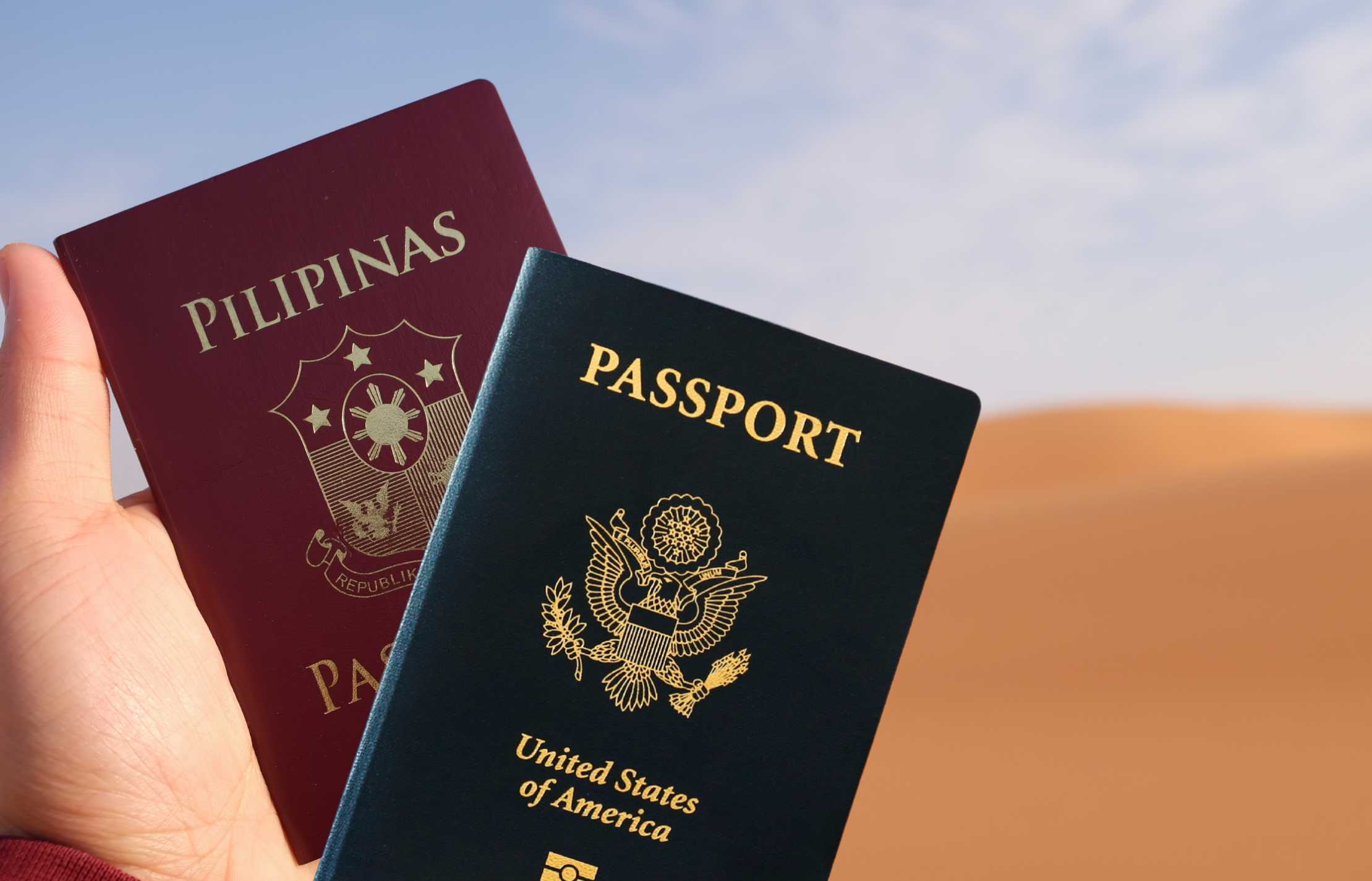
Dual citizenship (under Republic Act 9225) means legally re-acquiring your Philippine citizenship while keeping your US citizenship. Dual citizens enter the Philippines as Filipinos. No visa, no time limit, no one-year clock at all. Dual citizens can also own land and vote in Philippine elections.
The practical rule of thumb: if you visit occasionally and stay under a year, the balikbayan privilege covers you with zero paperwork in advance. If you’re planning to retire in the Philippines, live there part-time, or buy property, re-acquiring citizenship is worth exploring. The balikbayan privilege is often the bridge people use while deciding.
Quick Reference: Who Gets What
| Traveler | What They Get | Key Documents |
|---|---|---|
| Former Filipino citizen (now US/Canadian citizen) | 1-year visa-free stay | Foreign passport + old PH passport or PSA birth certificate |
| Non-Filipino spouse (traveling with balikbayan) | 1-year visa-free stay | Passport + marriage certificate |
| Children (traveling with balikbayan) | 1-year visa-free stay | Passport + birth certificate or adoption papers |
| Filipino citizen abroad 1+ years | Travel tax exemption, duty-free perks | Philippine passport |
| Dual citizen (RA 9225) | Unlimited stay as a Filipino citizen | Philippine passport or citizenship documents |
| Spouse/child arriving on a separate flight | Standard visitor stay only | — |
Common Mistakes That Cost Travelers the Privilege
- Flying separately from family. The number one mistake. The spouse and children must enter with the balikbayan. Book the same itinerary.
- Relying on the passport’s birthplace. “Born in the Philippines” printed in a US passport does not prove former citizenship. Bring the old Philippine passport or a PSA birth certificate.
- Not requesting it. The privilege is granted on request. Travelers who stay silent at the counter often receive the standard 30-day stamp and only notice weeks later.
- Missing document translations. Marriage or birth certificates issued in a third country may need an English translation.
- Passport validity too short. Your passport should be valid for at least six months beyond your planned stay. For a one-year stay, that means checking expiration dates carefully before you fly.
- Not checking the stamp. Always verify the stamped date before leaving the immigration area.
What This Means for Booking Your Flight
Here’s where the privilege changes your planning. With a full year available, you’re not forced into a round-trip ticket with a return date inside 30 days. Extended stays with family become possible on a single entry. Multi-generational trips (where a former Filipino grandparent brings an American spouse, children, and grandchildren), can all travel under one privilege, as long as everyone flies together.
That “flying together” requirement is also a booking detail that warrants careful handling. Separate reservations on the same flight are fine. Separate flights are not. If your family is spread across different departure cities, an agent can build itineraries that converge before the final leg into the Philippines, keeping everyone on the same arriving flight.
ASAP Tickets agents book flights to the Philippines every day and understand balikbayan travel inside out. Tell us your family’s situation, and we’ll build an itinerary that protects everyone’s one-year privilege at a fare you won’t find online. Call us anytime at 844-300-7983 to ask about flight options.
Frequently Asked Questions About the Balikbayan Privilege
How long can a balikbayan stay in the Philippines?
Up to one year visa-free from the date of arrival. The stay can be extended at a Bureau of Immigration office in increments of 1, 2, or 6 months before the year expires.
Does my American spouse qualify for the balikbayan privilege?
Yes, if they are a citizen of a visa-free country (the US qualifies) and they enter the Philippines together with you on the same trip. They should carry your marriage certificate as proof of the relationship.
What proof do I need as a former Filipino citizen?
Your old Philippine passport or a PSA-issued Philippine birth certificate, along with your current foreign passport. A foreign passport showing “Philippines” as the place of birth is not accepted as sufficient proof on its own.
Do I get the balikbayan privilege automatically at immigration?
No. You must request it from the immigration officer at the port of entry and present your documents. If you don’t ask, you may receive the standard 30-day visitor stamp instead.
Can I leave the Philippines and come back within the year?
Yes. The privilege works on a multiple-entry basis. Family members can claim it again on each entry, provided they are traveling with the balikbayan each time.
Is the balikbayan privilege the same as dual citizenship?
No. The balikbayan privilege is a one-year visa waiver for foreign citizens who are former Filipinos (and their families). Dual citizenship under RA 9225 means reacquiring Philippine citizenship — dual citizens enter as Filipinos with no stay limit.
Do my kids born in the US qualify?
Yes, unmarried children qualify for the one-year stay if they are citizens of a visa-free country, travel with you, and carry birth certificates (or adoption papers) proving the relationship.
Also worth reading:

Get it right to your inbox by subscribing to ASAP Tickets weekly emails featuring the hottest flight deals from US to the .
Massive savings • Unsubscribe at any time.
You were sucessfully subscribed
Please check your inbox to confirm the subscription