


Many travelers avoid booking flights to the Philippines during rainy season. However, that often means missing lower fares, smaller crowds, and easier booking options.
In fact, rainy season travel can work very well for many Filipino-Americans, Filipino-Canadians, and other travelers visiting family back home. You simply need to prepare a little differently.
The rainy season in the Philippines usually starts around May and lasts until October. During these months, you may see more rain showers, tropical storms, and occasional flight delays. At the same time, airlines often lower prices outside the busy Christmas and dry-season periods.
So, if you want cheaper airfare and more flexible travel dates, this season may actually help you save.
In this guide, we’ll explain what to expect when booking flights to the Philippines during rainy season. We’ll also share practical tips that can help you avoid common problems, choose better routes, and spend less on airfare in 2026.
When Is It Rainy Season in the Philippines?
| Period | Typical Weather | What Travelers Should Know |
|---|---|---|
| May to June | Start of the rainy season, with hotter days and more afternoon showers. | A good time to find flights to the Philippines during rainy season before heavier storms become more common. |
| July to September | Peak rainy months in many areas, with a higher chance of tropical storms and typhoons. | Leave extra time between flights, especially if you have a domestic connection after arriving. |
| October | Rain may still continue, but conditions often start to improve toward the end of the month. | Travelers may still find lower fares before the busy holiday season begins. |
| November to April | Usually the drier season, with more stable weather in many popular destinations. | Airfare can rise during Christmas, New Year, Holy Week, and other peak travel periods. |
The rainy season in the Philippines usually runs from May to October. However, weather conditions can vary depending on your region.
For example, Manila, Cebu, and many central areas often see stronger rainfall between June and September. Meanwhile, some southern destinations may experience shorter or lighter rainy periods.
Even so, the rainy season does not mean nonstop rain every day. In many parts of the Philippines, storms come and go quickly. You may get heavy rain for one or two hours, followed by sunshine later in the day.
That said, tropical storms and typhoons become more common from July through October. Because of this, travelers should stay flexible when booking flights to the Philippines during the rainy season.
If possible, avoid very short connections and tight schedules. Instead, leave extra time between flights, especially if you plan to continue to smaller domestic airports after arriving in Manila, Cebu, or Clark.
At the same time, the rainy season also brings greener landscapes, fewer tourists, and lower hotel prices in many destinations. So, for many travelers, the savings can outweigh the inconvenience of occasional rain.
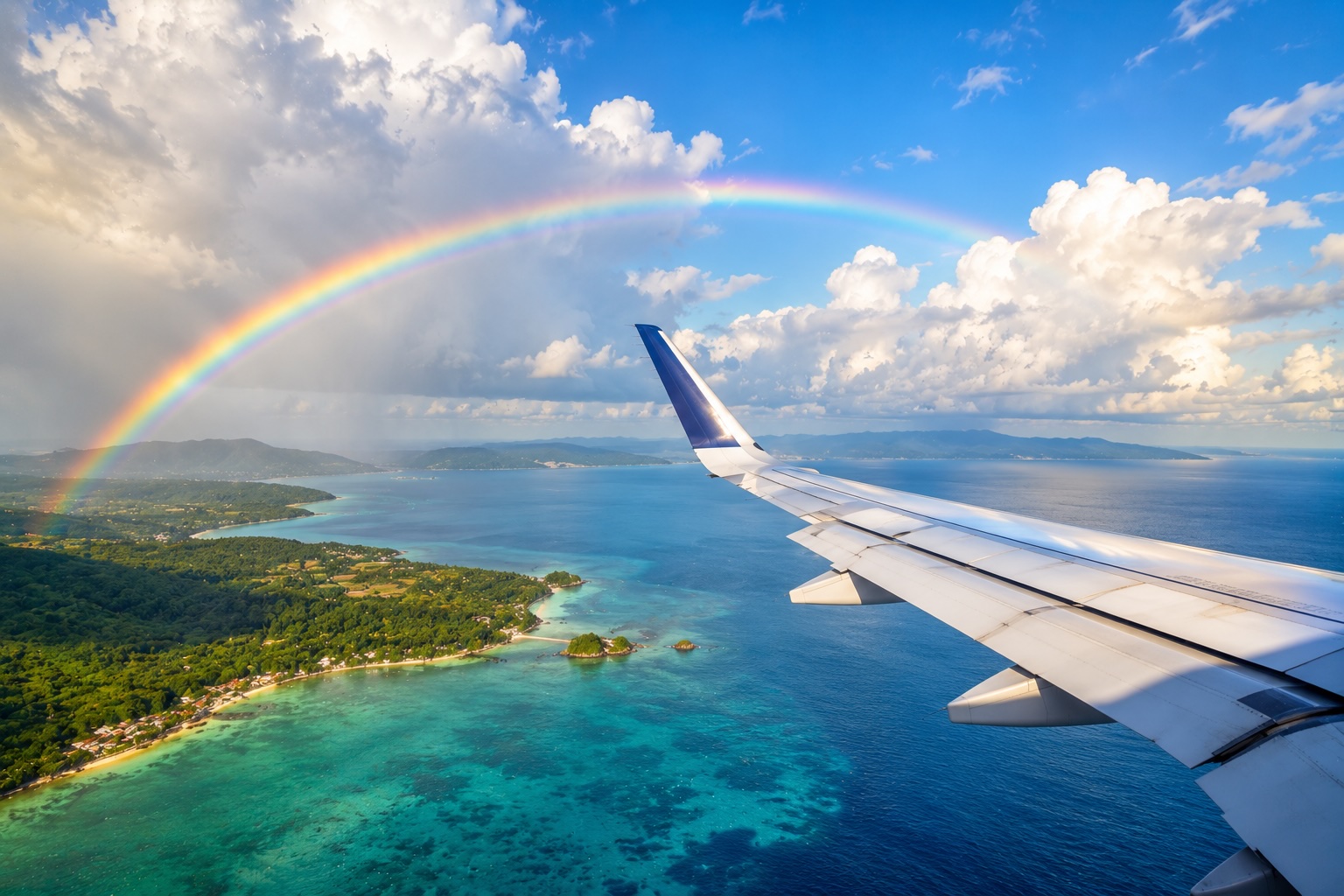
Why Flights to the Philippines During Rainy Season Can Cost Less
One of the biggest advantages of booking flights to the Philippines during rainy season is the lower airfare.
Compared to December, summer holidays, and major Filipino celebrations, demand usually drops between late May and early October. As a result, airlines often release more competitive fares on routes from the United States and Canada.
This can make a major difference for families booking several tickets at once. Even a small fare drop per passenger can save hundreds of dollars overall.
In many cases, travelers also find better availability during the rainy season. For example, you may have more choices for:
- Weekend departures
- Shorter layovers
- Better seat selection
- Flexible return dates
At the same time, airports often feel less crowded outside the peak holiday rush. Therefore, check-in lines and immigration wait times may become more manageable.
Another important factor is timing. Travelers who book flights to the Philippines several months ahead during the rainy season can sometimes lock in very good prices before summer demand increases.
However, prices still rise around certain travel periods. Airfare may increase during:
- Philippine Independence Day in June
- U.S. summer vacation months
- School breaks
- Long weekends
- Major festivals and events
Because of this, flexibility matters. Midweek departures often cost less than Friday or weekend flights. Likewise, flying into Cebu or Clark instead of Manila may sometimes reduce the total price.
Most importantly, travelers should compare multiple airline options instead of focusing on just one carrier. Different airlines may handle rainy season schedules differently, especially when weather disruptions affect certain airports.
That is one reason many travelers still prefer speaking with a live travel agent. An experienced agent can compare routes, connection times, baggage rules, and alternate airports more quickly than most online booking systems.
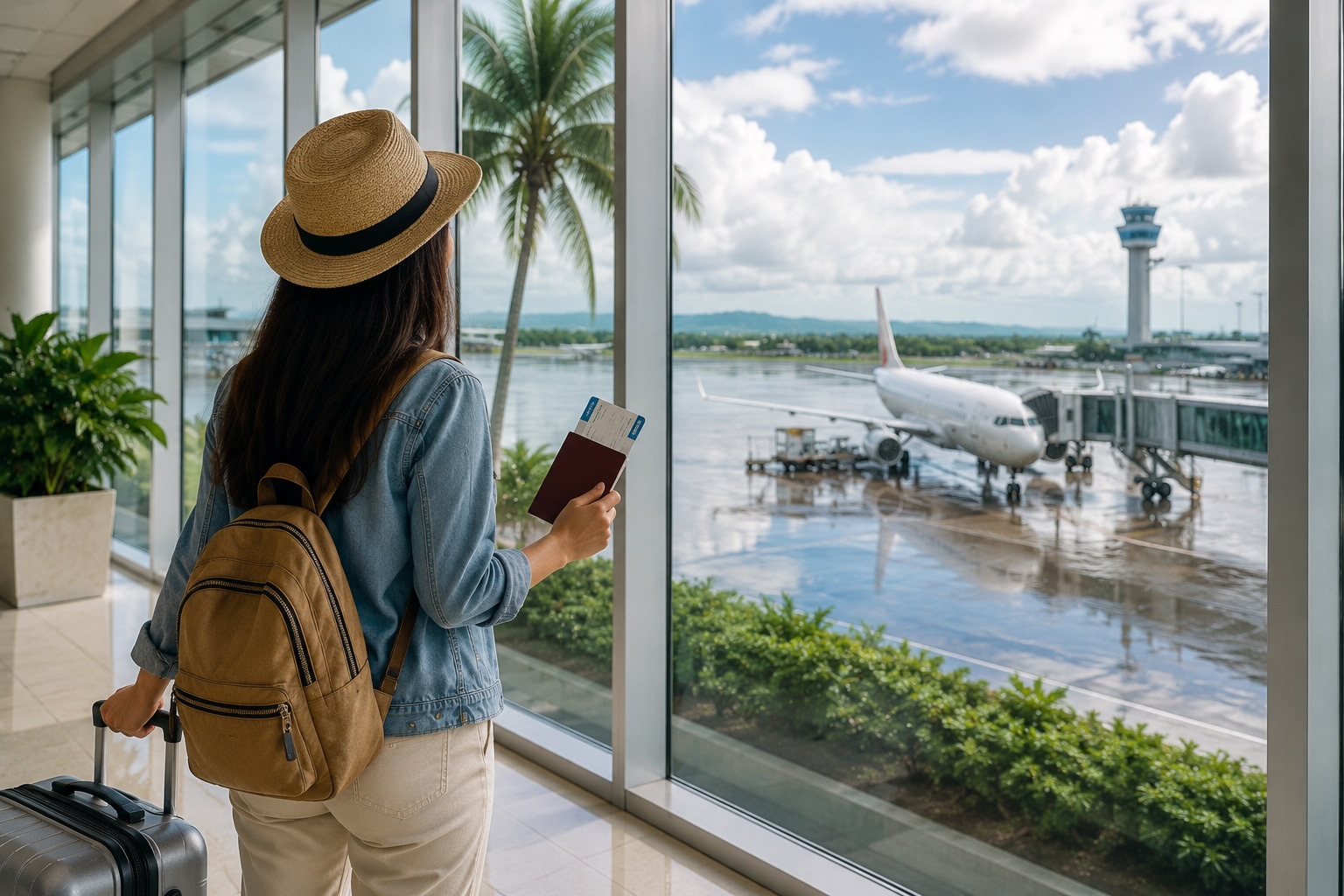
What to Expect When Flying During the Rainy Season
Before booking flights to the Philippines during the rainy season, it helps to understand what the travel experience may look like.
First, you should expect occasional weather delays. Heavy rain and tropical storms can affect both international and domestic flights, especially between July and October.
However, major disruptions do not happen every day. In fact, many travelers complete their trips with little or no interruption.
Still, preparation matters.
For example, travelers connecting through Manila should leave extra time between flights. Ninoy Aquino International Airport already handles heavy traffic year-round. During the rainy season, delays can sometimes create longer wait times or schedule changes.
Because of this, many experienced travelers avoid very tight layovers. A longer connection may feel less convenient at first, but it can reduce stress if the weather affects your first flight.
It also helps to book earlier arrival times whenever possible. Afternoon and evening storms become more common during the rainy season, so morning arrivals may lower the risk of delays.
At the same time, travelers should prepare for changing weather after landing. One city may have sunshine while another experiences heavy rain.
Therefore, pack smart. A few simple items can make a big difference:
- Lightweight rain jacket
- Small travel umbrella
- Waterproof bag for electronics
- Extra clothes in your carry-on
- Portable charger for delays
Travel insurance may also help, especially for longer trips or multi-city itineraries. Some policies cover hotel stays, rebooking costs, or delays caused by severe weather.
Even with occasional storms, many travelers still enjoy visiting the Philippines during this period. The islands stay warm and tropical year-round, and many tourist spots feel less crowded compared to peak season.
Best Airports for Flights to the Philippines During Rainy Season
Choosing the right arrival airport can make a big difference when booking flights to the Philippines during the rainy season.
Most international travelers still fly into Manila. Ninoy Aquino International Airport offers the largest number of international routes from the United States, Canada, and Asia. Because of this, Manila often gives travelers the most airline choices and competitive fares.
However, Manila also experiences heavy traffic and delays throughout the year. During rainy season, weather disruptions can sometimes create longer waits and missed connections.
For that reason, some travelers prefer flying into other Philippine airports when possible.
Cebu
Mactan-Cebu International Airport remains one of the best alternatives to Manila. The airport feels easier to navigate, and many travelers use Cebu as a gateway to the Visayas and nearby islands.
In some cases, flying directly into Cebu may also help travelers avoid an additional domestic connection through Manila.
Clark
Clark International Airport has grown quickly in recent years. It now offers more international routes and a calmer airport experience compared to Manila.
Travelers visiting Pampanga, Tarlac, Baguio, or other parts of Northern Luzon may find Clark especially convenient.
Additionally, some airlines offer cheaper fares into Clark during off-peak travel periods.
Davao
For travelers visiting Mindanao, Davao can save both time and stress. Instead of connecting through Manila, travelers may reach the southern Philippines more directly.
Although Davao has fewer international options than Manila or Cebu, it remains useful for travelers visiting family in the region.
Check out our dedicated blog about major airports in the Philippines to learn more!
Should You Avoid Domestic Connections During the Rainy Season?
Not necessarily. However, travelers should plan domestic flights carefully during rainy season.
Short domestic routes often experience weather-related delays more than large international flights. Smaller airports may also have fewer backup flight options if cancellations happen.
Because of this, many travelers choose to:
- Spend one night in Manila before continuing
- Leave longer gaps between flights
- Avoid booking the final domestic flight of the day
- Travel with carry-on luggage when possible
These small adjustments can make flights to the Philippines during rainy season much less stressful.
Tips to Save Money on Flights to the Philippines During Rainy Season
The rainy season already brings lower demand compared to Christmas and peak summer travel. Still, smart booking habits can help you save even more.
Here are some of the best ways to lower the cost of flights to the Philippines during rainy season in 2026.
Book Before Prices Rise
Many travelers wait too long because they assume the rainy season always means cheap airfare. However, prices can still increase quickly during busy travel weeks.
If possible, start checking fares two to four months before departure. This usually gives you more route options and better seat availability.
Stay Flexible With Your Dates
Flexibility often leads to bigger savings.
For example, midweek departures usually cost less than Friday or Saturday flights. Likewise, returning on a Tuesday or Wednesday may reduce the total fare.
Even shifting your trip by a few days can sometimes save hundreds of dollars.
Compare Different Airports
Many travelers automatically search only for Manila. However, Cebu and Clark may occasionally offer lower fares or better schedules during rainy season.
In some cases, choosing another airport can also help you avoid long domestic layovers.
Consider Layovers Carefully
Direct flights to Manila save time, but they are not always the cheapest option.
Meanwhile, one-stop routes through cities like Taipei, Seoul, Tokyo, or Istanbul may significantly lower the total airfare. Some travelers also prefer these routes because they offer smoother airport experiences compared to very crowded hubs.
Still, avoid extremely short connections during the rainy season. Saving money does not help if you miss your next flight because of weather delays.
Compare layover vs direct flights options to the Philippines.
Travel Light When Possible
Baggage fees continue to increase across many airlines. Therefore, travelers who pack carefully may avoid unnecessary extra costs.
If you plan a shorter trip, traveling with carry-on luggage only may also make airport transfers easier during bad weather.
Work With a Live Travel Agent
Online booking platforms do not always show every available fare combination. In some cases, travelers may find lower prices or better routes by speaking with a live agent.
This becomes especially useful during the rainy season, when schedules can change quickly. A travel agent can help compare alternate airports, longer connection times, and different airlines more efficiently.
For many families traveling to the Philippines, that extra support can save both money and stress.
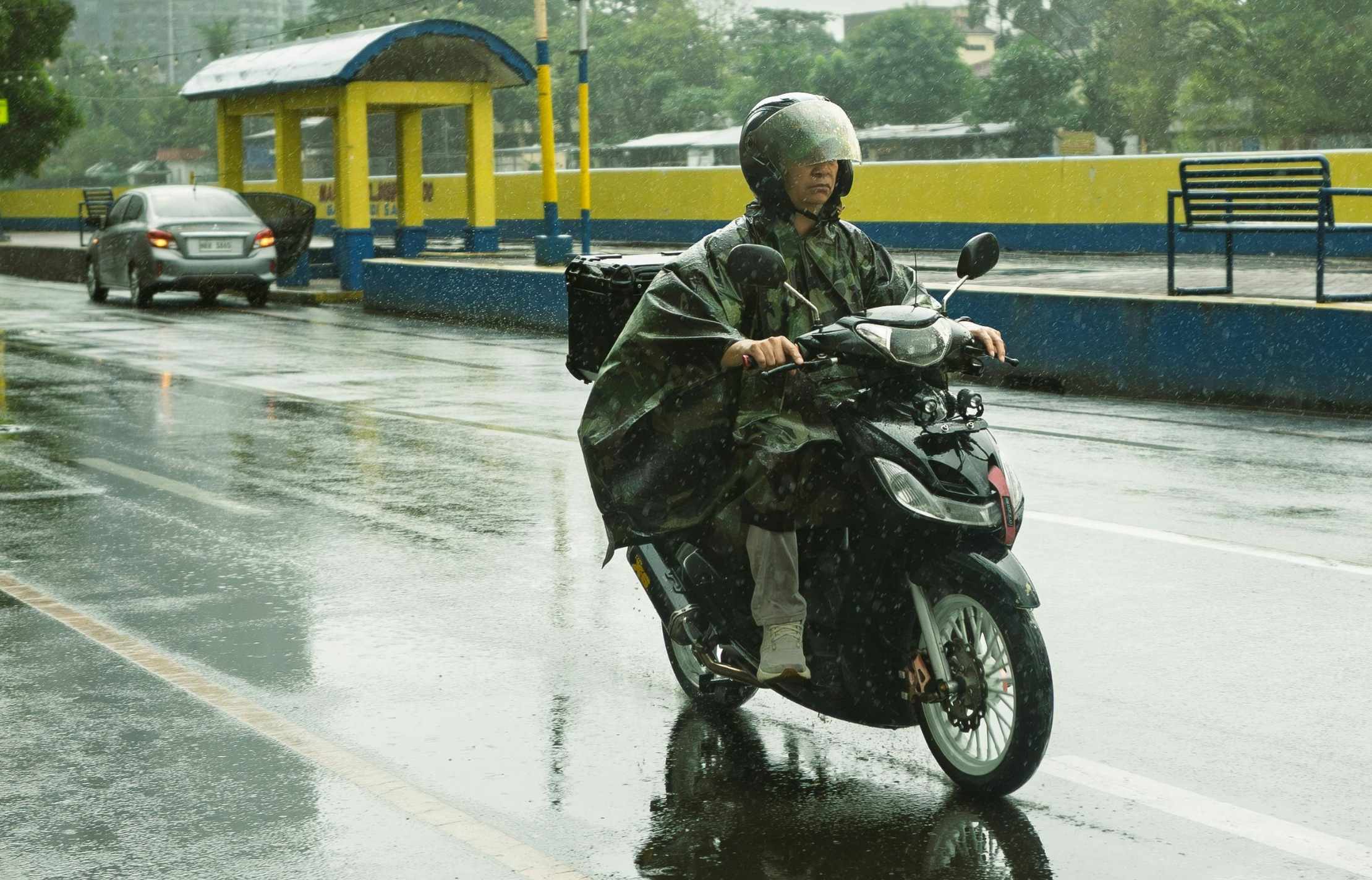
Are Flights to the Philippines During the Rainy Season Worth It?
For many travelers, the answer is yes.
Although the rainy season comes with some challenges, it also offers several advantages that many visitors overlook. Lower airfares, fewer crowds, and better availability can make the trip much easier to plan than during the busy holiday season.
For Filipino-Americans and Filipino-Canadians visiting family, the rainy season may also fit work and school schedules better than the expensive December rush.
At the same time, travelers should stay realistic. Weather delays can happen, especially during typhoon season. Therefore, flexibility remains very important when booking flights to the Philippines during rainy season.
The good news is that most problems become manageable with proper planning.
Choosing the right airport, avoiding tight layovers, booking earlier flights, and leaving extra connection time can greatly reduce stress during the trip.
Additionally, many parts of the Philippines remain beautiful during rainy season. The landscapes turn greener, waterfalls become stronger, and popular destinations often feel less crowded.
So, if your main goal is to save money and spend time with family back home, rainy season travel may actually work in your favor.
Ready to Book Flights to the Philippines?
Booking flights to the Philippines during rainy season may sound risky at first. However, many travelers discover that this period offers some of the best opportunities to save on airfare.
With the right planning, you can still enjoy a smooth, comfortable trip while avoiding peak-season crowds and prices.
Most importantly, stay flexible and give yourself extra time when booking connections. Weather conditions may change quickly, but good preparation can make a major difference.
If you need help comparing routes, airlines, or travel dates, ASAP Tickets can help you find flights to the Philippines during rainy season that match your budget and schedule.
Call +1 844-300-7983 to speak with a travel agent and explore available flight options for 2026.
Extra Resources About Flights to the Philippines
- Flying to the Philippines from Canada: Cheap Flights and Other Information
- Airline Tickets to the Philippines: Best Layover Airports for Families and Seniors
- How long is a Flight to the Philippines from North America?

FAQ: Flights to the Philippines During Rainy Season
Is rainy season a bad time to visit the Philippines?
Is rainy season a bad time to visit the Philippines?
Not necessarily. Many travelers still enjoy the Philippines during rainy season because airfare and hotel prices are often lower. However, travelers should prepare for occasional storms and possible flight delays.
What months have the most rain in the Philippines?
In many parts of the Philippines, the heaviest rain usually falls between July and September. Typhoons also become more common during these months.
Are flights to the Philippines cheaper during rainy season?
In many cases, yes. Airlines often lower prices outside the peak Christmas and dry-season travel periods. Travelers with flexible dates may find better deals from May through October.
Which airport is best during rainy season: Manila, Cebu, or Clark?
It depends on your destination and travel plans. Manila offers the most international flights, while Cebu and Clark may provide easier airport experiences and shorter domestic connections for some travelers.
Should I avoid short layovers during rainy season?
Yes, if possible. Weather delays may affect both international and domestic flights. Leaving extra time between connections can reduce stress and lower the risk of missed flights.

Get it right to your inbox by subscribing to ASAP Tickets weekly emails featuring the hottest flight deals from US to the .
Massive savings • Unsubscribe at any time.
You were sucessfully subscribed
Please check your inbox to confirm the subscription