


When travelers plan a trip to Italy, Tuscany often is one of the first destinations that comes to mind. It’s beautiful and well-known. However, in 2026, many visitors are looking for something different. Crowds continue to grow in the most popular Tuscan towns. Hotels book quickly. Prices rise. As a result, travelers are exploring new regions that offer the same charm with fewer people. That’s where Emilia-Romagna travel stands out.
This northern Italian region blends historic cities, world-famous cuisine, and a relaxed pace. At the same time, it remains less crowded than Tuscany. Just south of it, Umbria offers quiet hill towns, green landscapes, and deep cultural roots.
Together, these regions provide a strong alternative to the usual Italian itinerary. If you want authentic Italy without the heavy foot traffic, it may be time to look beyond Tuscany.
Why Tuscany Isn’t the Only Italian Dream
Tuscany deserves its reputation. Florence, Siena, and the Chianti countryside attract millions of visitors each year. The scenery is beautiful, and the food is excellent. However, its popularity has changed the experience.
In peak months, historic centers become crowded. Restaurant reservations can fill quickly. Hotel rates often climb well above average. As a result, some travelers spend more time navigating crowds than enjoying the atmosphere.
That shift has led many people to consider alternatives.
Instead of following the same routes, travelers are turning toward Emilia-Romagna and Umbria. These regions offer similar landscapes, historic towns, and rich culinary traditions. Yet they feel calmer and more local.
Moreover, both regions allow you to experience Italy at a slower pace. You can explore medieval streets without rushing. You can enjoy long meals without fighting for a table. And you can discover places that still feel authentic rather than staged for tourism.
For 2026 travel, the idea is simple: choose regions that offer depth, not just popularity.
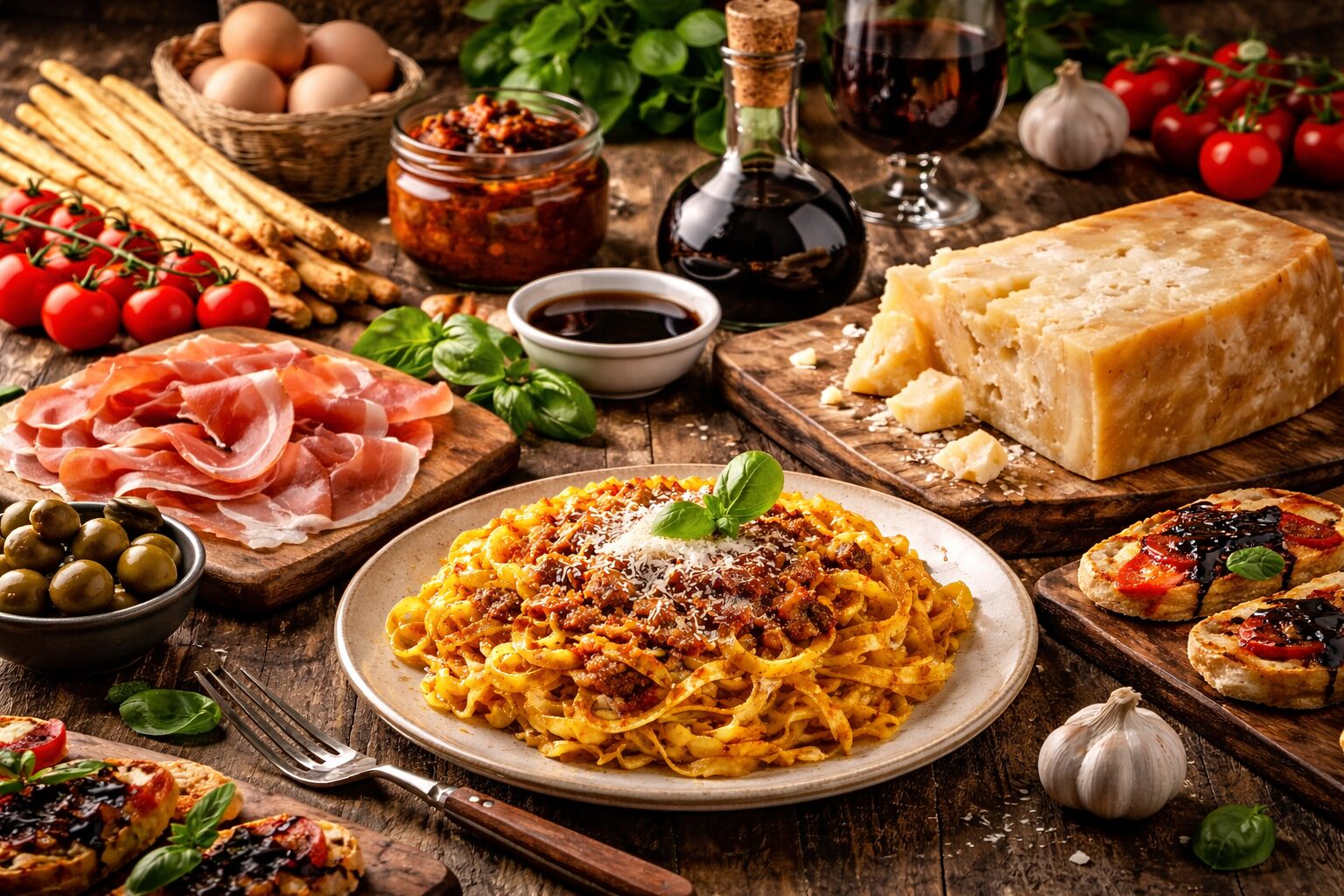
Travel to Emilia-Romagna: Italy’s Food Capital and Cultural Powerhouse
When people think of Italian food, they often picture dishes that actually come from Emilia-Romagna.
Parmesan cheese. Prosciutto di Parma. Traditional balsamic vinegar from Modena. Fresh tagliatelle with rich ragù. This region shapes how the world understands Italian cuisine.
However, travel to Emilia-Romagna offers far more than food.
Bologna: A Lively Historic Hub
Bologna serves as the heart of the region. Its medieval towers, long porticoes, and vibrant university scene give the city energy year-round. At the center lies Piazza Maggiore, the city’s grand main square. Here, locals gather beneath the towering Basilica di San Petronio, and the rhythm of daily life unfolds.
Moreover, Bologna’s endless porticoes — now recognized as a UNESCO World Heritage site — stretch for miles. They make the city pleasant to explore in any season. You can walk comfortably from café to cathedral without rushing.
Bologna is also easy to reach. Bologna Airport connects travelers to major European hubs. From there, high-speed trains link you to Florence, Milan, and Venice within hours.
For travelers flying into Italy, this accessibility makes travel in Emilia-Romagna particularly convenient. All the while, Bologna combines food, culture, and walkability in one place.
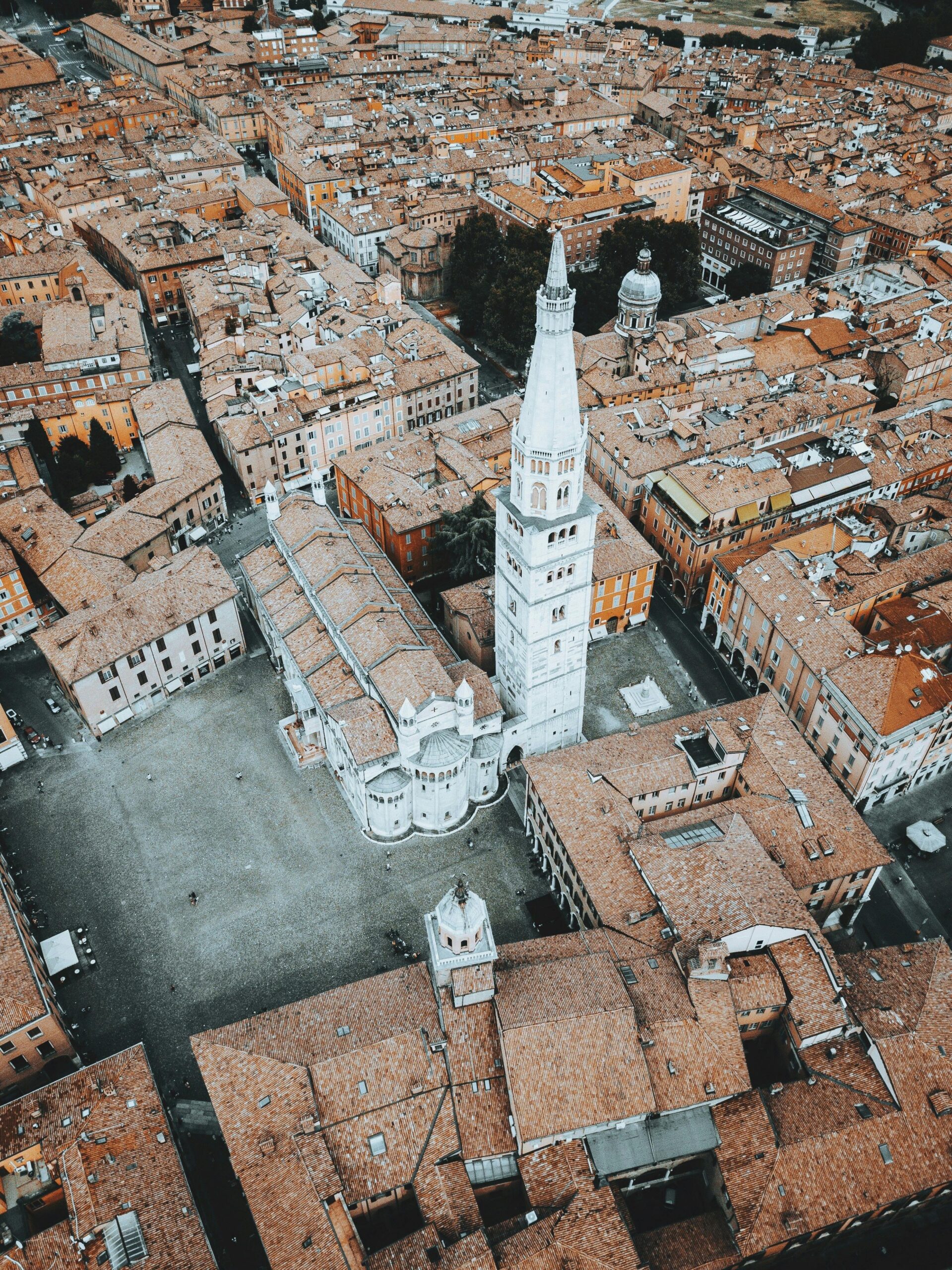
Parma and Modena: Smaller Cities, Big Flavor
Parma offers elegant streets and a slower pace. Meanwhile, Modena blends historic charm with modern culinary fame. Both cities feel refined yet approachable.
In Modena, the Cathedral of Modena stands as a UNESCO World Heritage site and one of the finest examples of Romanesque architecture in Europe. The cathedral, along with Piazza Grande and the Ghirlandina Tower, anchors the city’s historic center. Yet unlike larger Italian landmarks, you can explore it without heavy crowds.
Moreover, Modena is famous for traditional balsamic vinegar and sits at the heart of Italy’s “Motor Valley,” home to Ferrari and Lamborghini. As a result, Emilia-Romagna travel appeals to both food lovers and car enthusiasts.
Unlike more crowded destinations, you can explore at your own rhythm. Reservations are easier to secure. Museums are less packed. Prices often remain more reasonable.
The Adriatic Coast and Beyond
Emilia-Romagna also stretches to the Adriatic Sea. Rimini and nearby coastal towns offer beaches, seaside promenades, and a relaxed summer atmosphere. In other words, the region combines culture, food, and coastline in one itinerary.
For travelers searching for an alternative to Tuscany, travel to Emilia-Romagna delivers variety without the heavy crowds.
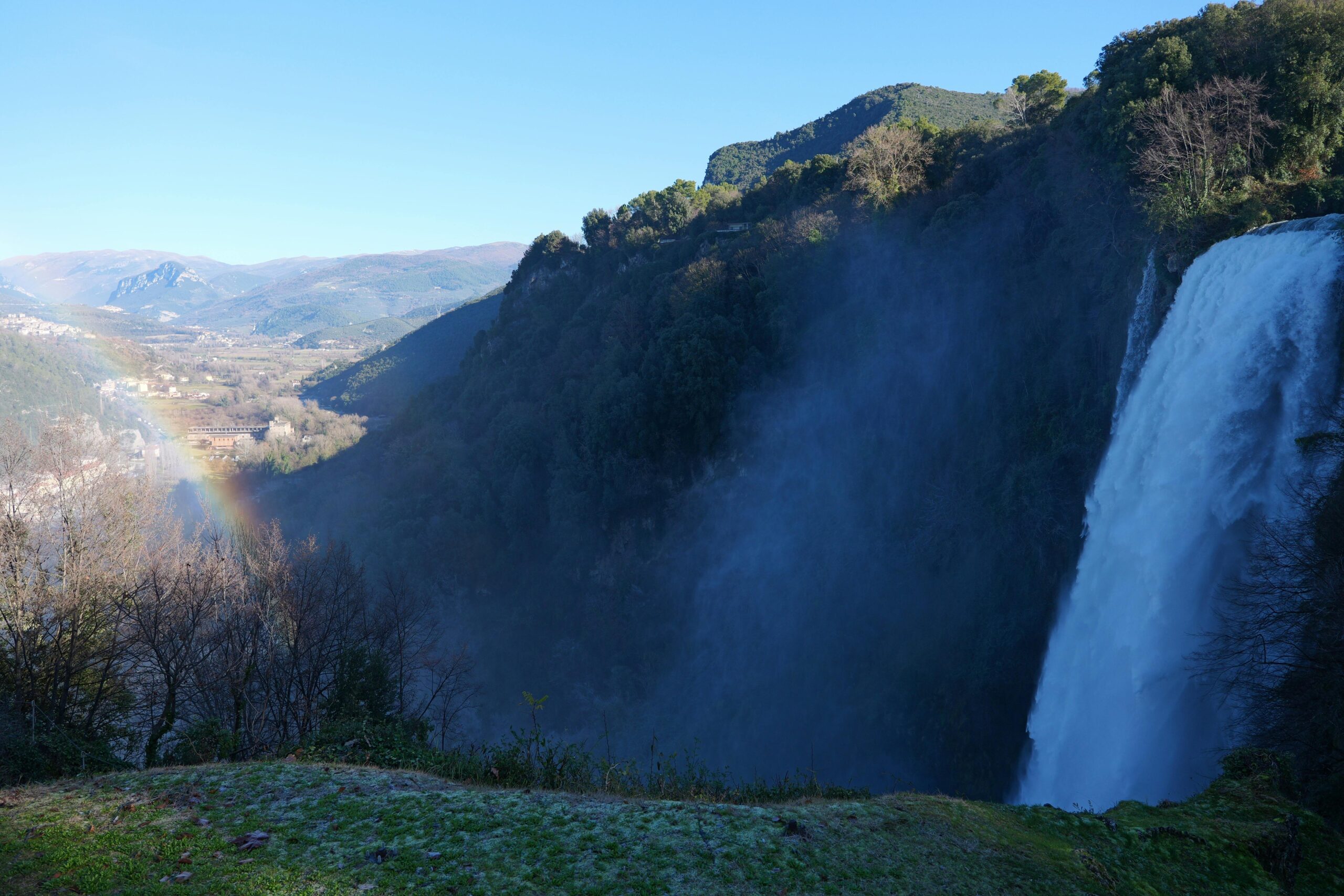
Umbria: The Green Heart of Italy
If Emilia-Romagna feels vibrant and culinary, travel to Umbria feels peaceful and timeless. Located just south of Tuscany, Umbria offers rolling hills, medieval towns, and wide open landscapes. However, it attracts far fewer international visitors.
As a result, the experience feels slower and more intimate.
Perugia and Assisi
Perugia serves as Umbria’s cultural center. Its historic streets climb gently upward, revealing stone buildings, quiet piazzas, and sweeping views of the countryside. The city feels lived-in and authentic, yet it remains easy to explore on foot.
Meanwhile, Assisi draws visitors with its spiritual history and stunning hilltop setting. The Basilica di San Francesco d’Assisi, a UNESCO World Heritage site, dominates the skyline. Inside, visitors can admire remarkable frescoes and centuries of art. Outside, the basilica overlooks the Umbrian valley, offering wide panoramic views.
For travelers, this mix of culture, scenery, and calm atmosphere is hard to match. Both towns allow you to explore without rushing. Even during popular months, the pace is manageable.
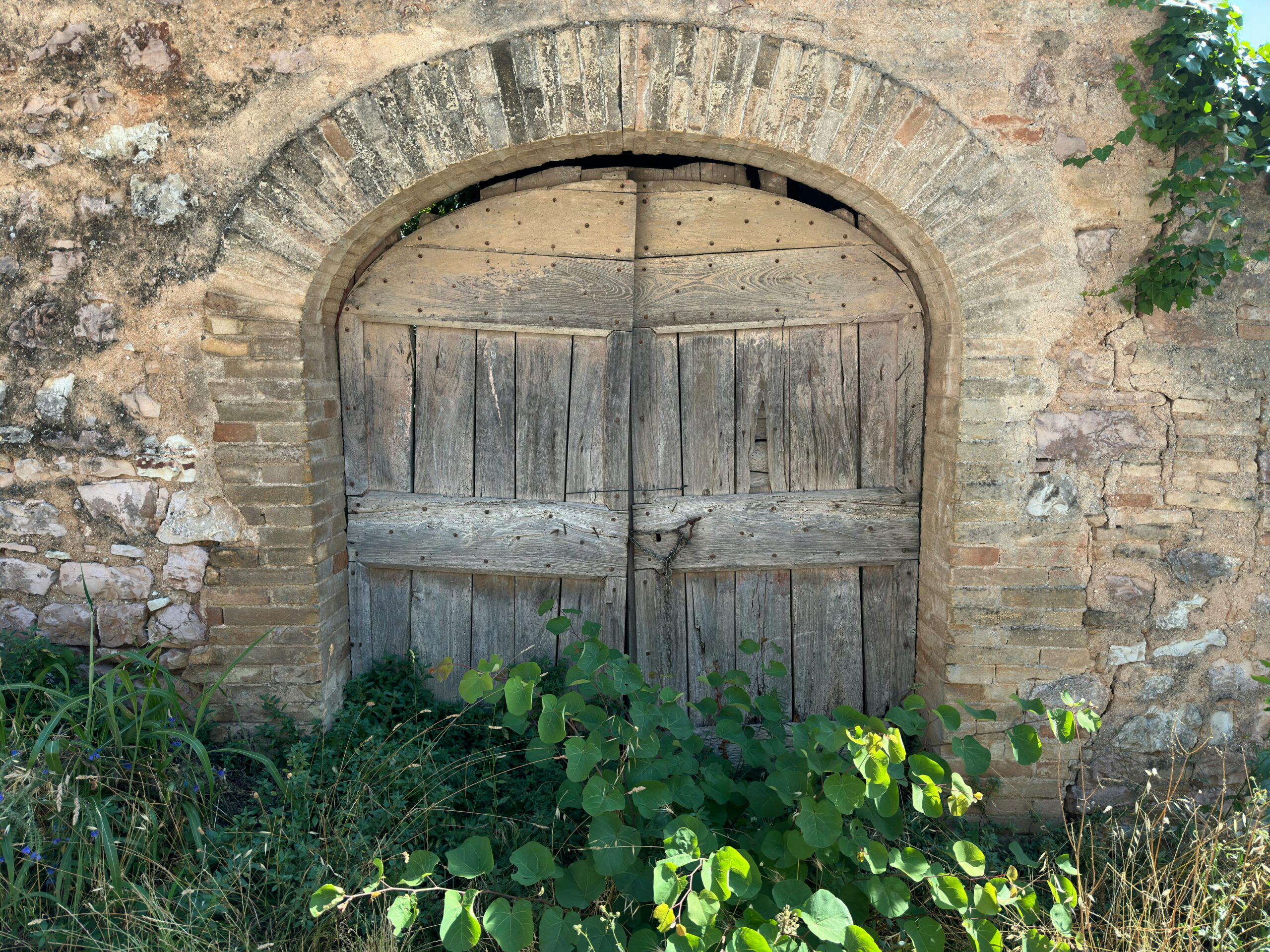
Hill Towns and Hidden Villages
Umbria is filled with smaller towns such as Orvieto, Spello, and Montefalco. Each offers cobblestone streets, local wineries, and panoramic landscapes.
Unlike heavily visited regions, you can still discover places that feel local. Restaurant owners greet you personally. Markets remain community-focused. Life follows a natural rhythm.
Nature and Open Space
Umbria also lives up to its nickname as Italy’s “green heart.” Forests, lakes, and countryside trails create space to slow down.
For travelers who value scenery and quiet beauty, Umbria travel offers a compelling alternative to busier destinations.
Together, Emilia-Romagna and Umbria offer two distinct yet complementary experiences. One energizes through culture and cuisine. The other restores through calm and landscape.
How to Travel to Emilia-Romagna and Umbria in 2026
Planning a trip to Emilia-Romagna or Umbria starts with choosing the right airport.
Unlike Tuscany, which funnels most visitors through Florence or Pisa, these regions give you several flexible options.
Flying to Emilia-Romagna
The easiest entry point is Bologna Guglielmo Marconi Airport (BLQ). Bologna connects to major European hubs, including Frankfurt, Munich, Paris, and London. As a result, travelers from the USA or Canada can reach the region with just one connection.
Moreover, Bologna’s central train station sits close to the airport. From there, high-speed trains connect you quickly to Parma, Modena, and other regional cities.
For many travelers, flying into Bologna reduces overall travel time compared to routing through Florence.
Flying to Umbria
Umbria does not have a major international airport. However, it is easy to reach from Rome (FCO).
Rome’s Fiumicino Airport offers the most nonstop options from North America. From there, trains connect to Orvieto in about an hour and to Perugia in roughly two hours. In other words, you can enjoy Umbria’s quiet landscapes without complicated transfers.
Flexibility Matters
When planning flights to Italy, routing can make a difference. Some itineraries offer better pricing through northern hubs. Others provide smoother connections through Rome.
That is why working with a travel expert can help. Instead of focusing on just one airport, you can compare multiple entry points and choose the one that best fits your itinerary. If you’re exploring alternatives to Tuscany, the flight strategy should match your destination.
For the best deals and personalized fare assistance, call ASAP Tickets at 844-300-7983 to connect with an experienced travel expert.
When to Visit Emilia-Romagna and Umbria for the Best Experience
Timing can affect your trip. Fortunately, both Emilia-Romagna and Umbria shine outside peak summer months.
Spring: March to May
Spring offers mild temperatures and a blooming countryside. Cities feel lively but not overcrowded. In addition, restaurant reservations are easier to secure. For many travelers, this season provides the best balance between weather and comfort.
Early Summer: June
June brings longer days and vibrant outdoor dining. However, it remains more manageable than July and August. Coastal towns in Emilia-Romagna begin to wake up, while Umbrian hill towns still feel relaxed.
Fall: September and October
Fall is another great travel window. Harvest season fills both regions with local festivals and fresh ingredients. Moreover, temperatures cool slightly, making walking tours more enjoyable.
Because Tuscany draws heavier fall crowds, Emilia-Romagna and Umbria often feel calmer by comparison.
Winter: A Different Kind of Italy
Winter offers lower hotel rates and a slower rhythm. While some smaller towns quiet down, cities like Bologna and Perugia remain active year-round. For travelers focused on culture and food rather than beach weather, winter can be a great time to visit.
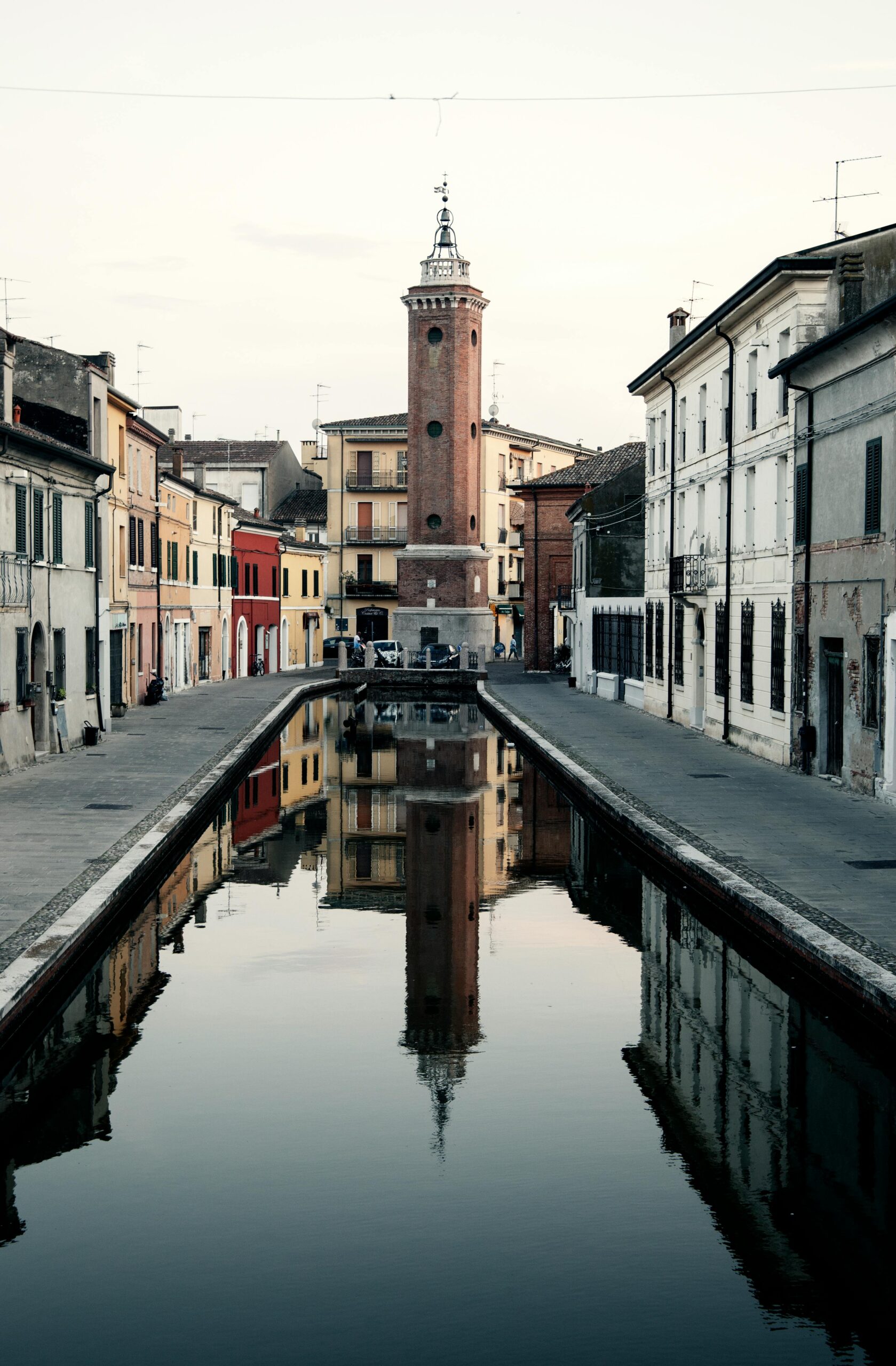
Why Emilia-Romagna and Umbria Offer Better Value Than Tuscany in 2026
Italy remains one of Europe’s most popular destinations. However, not every region carries the same price tag.
In recent years, Tuscany has seen steady growth in demand. As a result, hotel rates climb quickly during peak months. Restaurant reservations can also become harder to secure. Meanwhile, guided tours and experiences frequently sell out in advance.
By contrast, travel to Emilia-Romagna and Umbria often provides more flexibility.
More Reasonable Accommodation Options
In cities like Bologna, Parma, and Perugia, you can still find centrally located hotels at competitive rates. Moreover, smaller towns offer charming boutique stays at affordable prices.
This makes it easier to plan longer visits without stretching your budget. By the way, ASAP Tickets also offers flights and hotel packages, making it easier to plan your trip with one simple call.
Dining Without the Pressure
Both regions take food seriously. Yet unlike heavily visited destinations, you don’t always need to book weeks ahead. Many local restaurants welcome walk-ins, especially outside peak summer. So, your meals will feel relaxed rather than rushed.
Authentic Experiences at a Slower Pace
Crowds influence not just pricing but also atmosphere. When destinations become too popular, the experience can change. In Emilia-Romagna and Umbria, markets still serve local residents. Festivals feel community-driven. Historic centers remain walkable and calm.
For travelers who value depth over popularity, these underrated regions offer strong value in 2026.
Looking Beyond Tuscany in 2026
Italy will always draw travelers with its beauty, food, and history. However, in 2026, many visitors are rethinking the traditional route.
Instead of following the usual Tuscany itinerary, more travelers are discovering the depth of Emilia-Romagna travel and the quiet charm of Umbria. These regions offer culture, cuisine, and landscapes without the constant crowds.
Moreover, they provide flexibility. You can explore historic cities, coastal towns, and hilltop villages at your own pace. You can enjoy long meals, local markets, and scenic train rides without feeling rushed.
Choosing a destination is only part of the journey. The right flight plan also makes a difference. Depending on your itinerary, flying into Bologna or Rome may open better routing options and smoother connections.
For more ideas on routes and airlines, explore our guide to Flights to Italy: Best Airlines & Cheapest Routes. And if you’d like personalized help comparing options, call 844-300-7983 to speak with an ASAP Tickets travel expert.
Italy offers more than one dream. Sometimes, the best experiences lie just outside the spotlight.
Get it right to your inbox by subscribing to ASAP Tickets weekly emails featuring the hottest flight deals from US to the .
Massive savings • Unsubscribe at any time.
You were sucessfully subscribed
Please check your inbox to confirm the subscription