

Planning a safari in Tanzania? The timing of your trip can make a big difference not only for wildlife viewing but also for flight prices and overall travel experience.
Tanzania is one of the top destinations for an African safari. From the vast plains of the Serengeti to the unique landscapes of the Ngorongoro Crater, it offers some of the best wildlife encounters in the world. However, not every month delivers the same experience. Seasons influence animal movement, crowd levels, as well as how much you’ll pay for your trip.
At the same time, flights to Tanzania are never simple. Most routes from the U.S. and Canada include at least one connection, and prices can vary depending on the time of year and how early you book.
In this guide, we’ll break down the best time to visit Tanzania for a safari trip, what to expect in each season, and how to find affordable flights for your journey. If you’d rather plan your trip with expert help, call +1 844-300-7983 to speak with a travel agent.
Best Time to Visit Tanzania for a Safari Trip
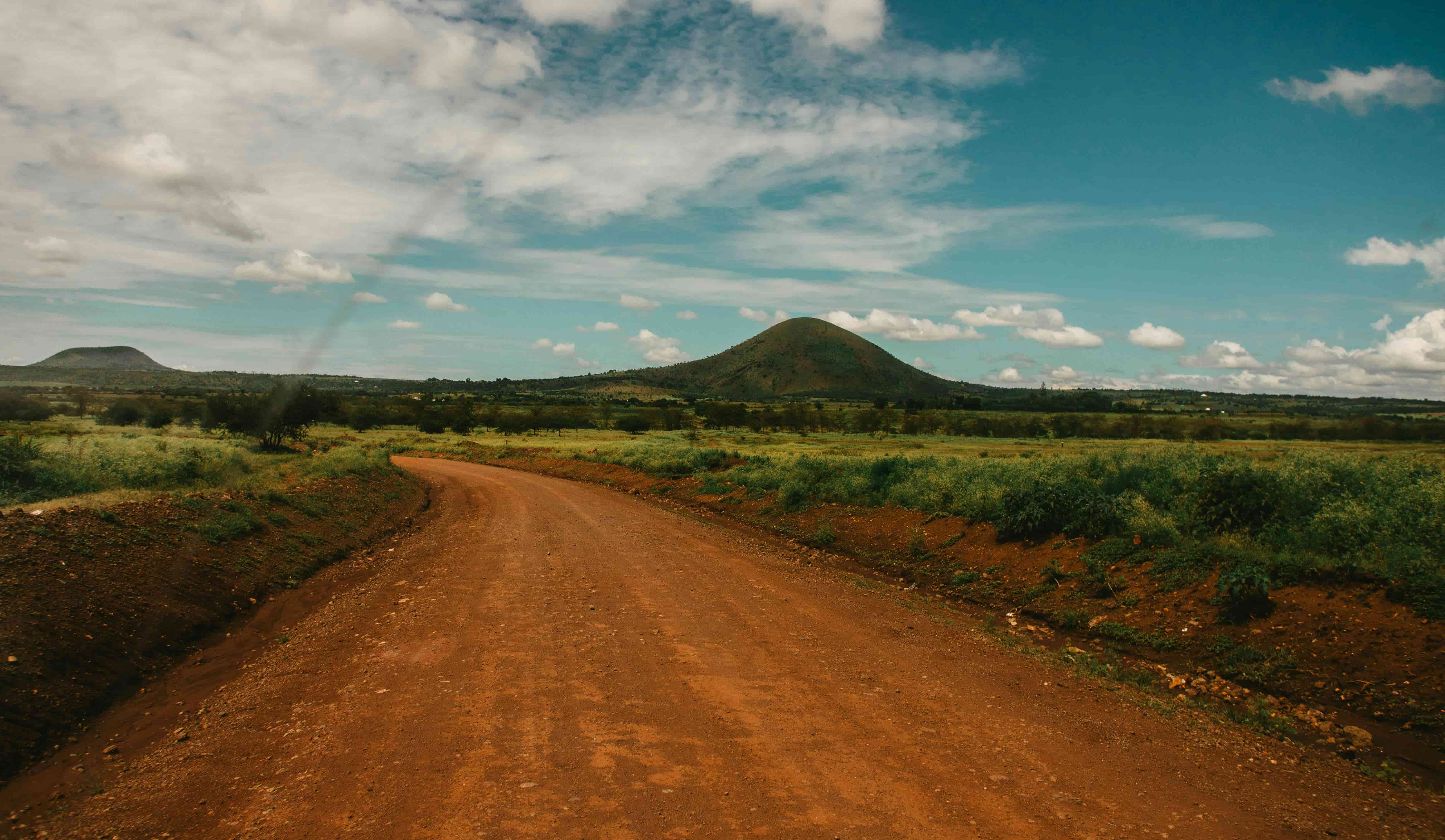
The best time to visit Tanzania depends on what you want from your safari trip. Weather, wildlife movement, and prices all change throughout the year. While some months offer peak safari conditions, others can help you save on flights and avoid crowds.
Here’s a simple breakdown to help you choose the right time.
Dry Season (June to October) — Best for Wildlife Viewing
The dry season is widely considered the best time to visit Tanzania for a safari. During these months, animals gather around water sources, which makes them easier to spot.
This is also when you can witness parts of the Great Migration in the Serengeti, one of the most famous wildlife events in the world.
However, this is peak travel season. As a result:
- Safari tours are in high demand
- National parks are busier
- Flight prices tend to be higher
If your main goal is wildlife viewing, this is the best time to go to Tanzania but you should plan and book early.
Green Season (March to May) — Best for Lower Prices
The green season brings heavier rains, especially in April and May. Because of this, fewer travelers plan their Tanzania safari trip during this time.
However, there are clear advantages:
- Fewer crowds in parks
- Lush landscapes and great photography conditions
- Lower prices on both safari tours and flights
If you’re looking for a more affordable Tanzania travel experience, this is one of the best times to visit. While wildlife can be harder to spot in dense vegetation, many parks remain accessible.
Shoulder Season (January–February, November) — Best Balance
If you want a balance between good wildlife viewing and better prices, the shoulder seasons are a great option.
During these months:
- Weather is generally pleasant
- Crowds are smaller than in peak season
- Flight prices are often more flexible
January and February are especially good for calving season in the Serengeti, when many animals give birth. This can also attract predators, making it an exciting time for a safari.
For many travelers, this is the best time to visit Tanzania without paying peak-season prices.
What Makes a Tanzania Safari Special
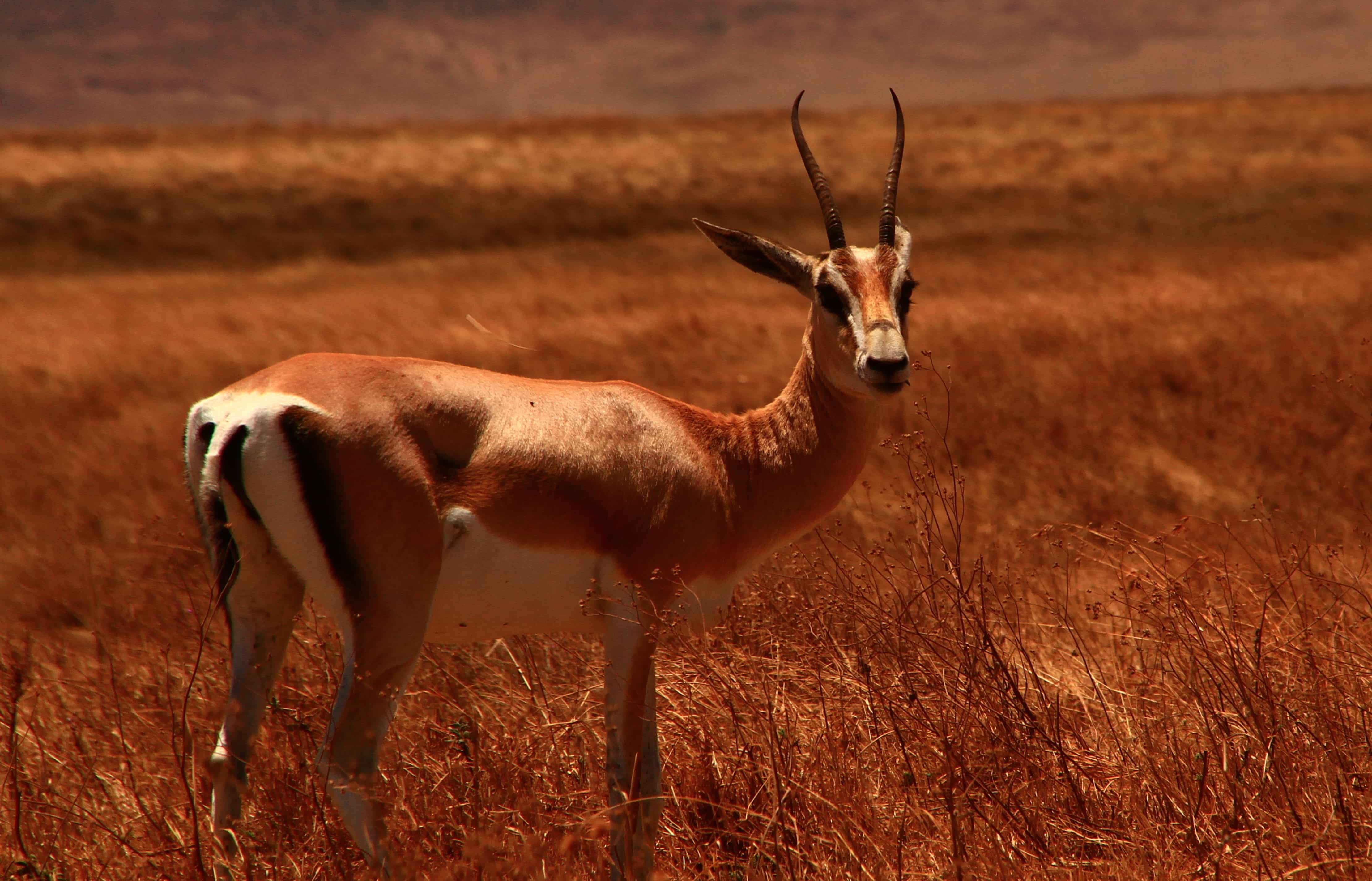
A Tanzania safari trip stands out for its scale, diversity, and variety of wildlife experiences. Unlike some destinations where you visit a single park, Tanzania allows you to combine several iconic locations in one journey.
Here are some of the highlights that make an African safari in Tanzania unique:
Serengeti National Park
The Serengeti is one of the most famous safari destinations in the world. It’s best known for the Great Migration, when millions of wildebeest and zebras move across the plains in search of fresh grazing.
Even outside migration season, the Serengeti offers:
- Large populations of lions, elephants, and giraffes
- Wide open landscapes that make wildlife easier to spot
- Year-round safari opportunities
Ngorongoro Crater
The Ngorongoro Crater is a unique natural reserve formed inside a massive volcanic caldera. Because of its enclosed ecosystem, it offers one of the highest concentrations of wildlife in Africa.
Many travelers choose this location for:
- A higher chance of spotting the Big Five
- Shorter game drives with consistent sightings
- A more compact safari experience
Tarangire National Park
Tarangire is often less crowded than the Serengeti, but it offers a different kind of safari experience. The park is known for its large elephant herds and iconic baobab trees.
It’s a great addition to a Tanzania safari tour if you want:
- Fewer crowds
- Unique landscapes
- Strong wildlife viewing during the dry season
Why Many Travelers Choose Tanzania
One of the biggest advantages of Tanzania travel is flexibility. You can build a safari itinerary that fits your time, budget, and interests—whether that’s a short 3–4 day trip or a longer journey across multiple parks.
Because of this variety, Tanzania remains one of the top choices for travelers planning their first African safari.
If you’re interested in exploring more unique places beyond the main parks, check out our guide to Tanzania’s hidden gems and lesser-known destinations. It’s a great way to discover quieter locations and add something different to your itinerary.
Combine Your Safari with Zanzibar
Many travelers don’t stop at just a safari. Instead, they combine their Tanzania safari trip with a beach stay in Zanzibar—creating two completely different experiences in one journey.
After several days of early mornings and game drives, Zanzibar offers a chance to slow down and relax.
Why Add Zanzibar to Your Trip
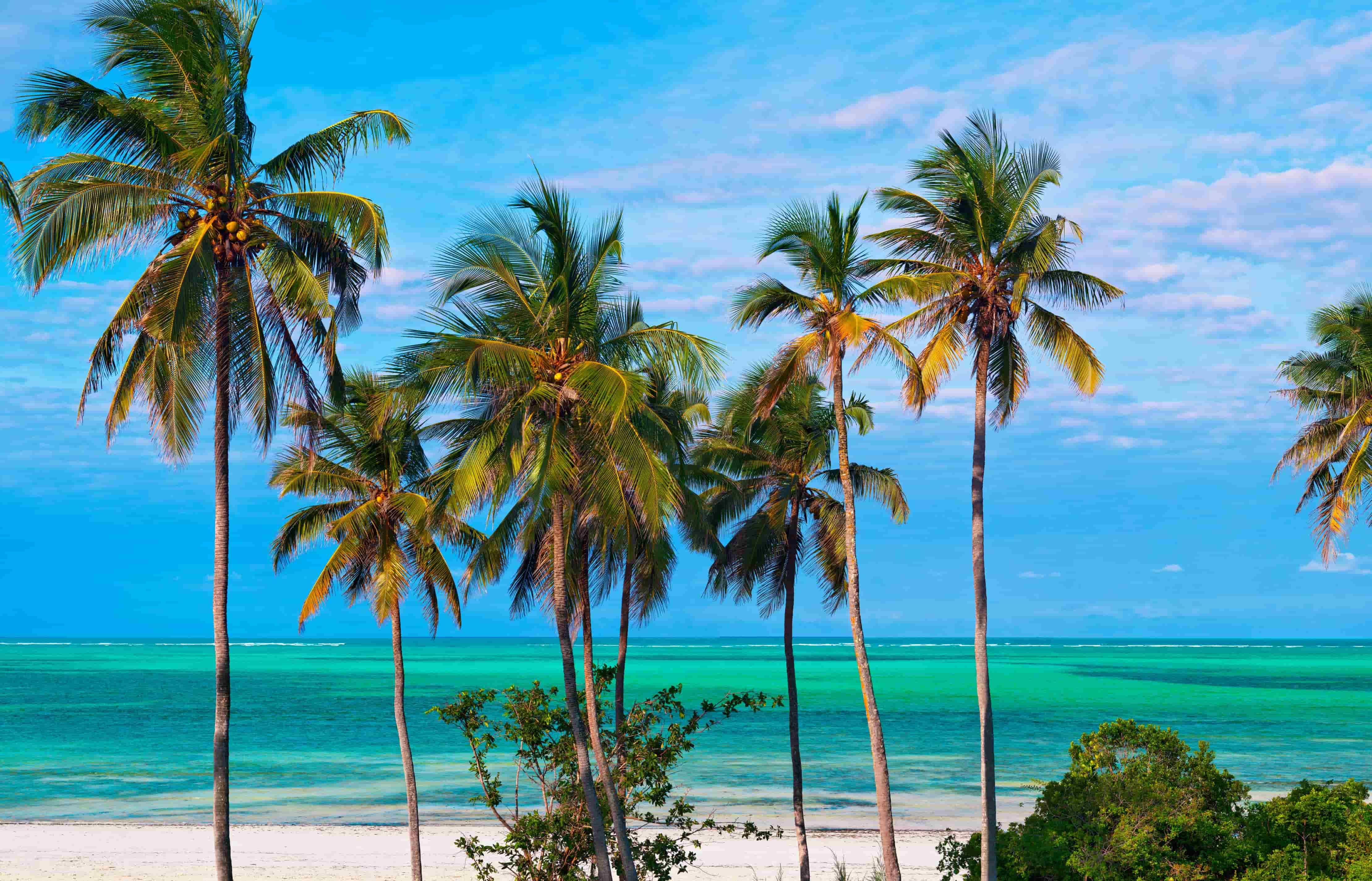
Zanzibar is located just off the coast of Tanzania and is known for its white-sand beaches and clear turquoise water. It’s easy to reach by a short domestic flight from cities like Arusha or Dar es Salaam.
Adding Zanzibar to your Tanzania travel plan allows you to:
- Relax after your safari
- Enjoy warm beach weather year-round
- Experience a different side of East Africa
What to See in Zanzibar
While many travelers come for the beaches, Zanzibar also offers cultural and historical experiences.
Some highlights include:
- Stone Town – a UNESCO-listed historic center with narrow streets and Swahili architecture
- Spice tours – a chance to explore the island’s history as a spice trading hub
- Coastal resorts – ideal for отдых and ocean views
Easy to Combine in One Itinerary
One of the biggest advantages of visiting Tanzania is how easily you can combine safari and beach travel.
A typical itinerary might include:
- 4–6 days on safari (Serengeti, Ngorongoro, or Tarangire)
- 3–5 days in Zanzibar
Because both destinations are well connected, this combination is simple to plan and doesn’t require complicated travel arrangements.
How to Find Affordable Flights to Tanzania
Flights are one of the biggest parts of planning a Tanzania safari trip. Unlike some destinations, there are no direct flights from the U.S. or Canada, so your route—and how you book it—can make a big difference in both price and travel time.
Common Routes from the U.S. and Canada
Most travelers fly into:
- Kilimanjaro International Airport (JRO) – best for safari access
- Dar es Salaam (DAR) – useful for Zanzibar and coastal travel
From North America, flights usually include one or two connections through major international hubs.
Common routing options include:
- Via Addis Ababa with Ethiopian Airlines
- Via Doha with Qatar Airways
- Via Istanbul with Turkish Airlines
- Via Amsterdam with KLM
Each route offers a different balance of travel time, comfort, and pricing.
If you’re comparing different routes across the region, it can also help to look at how flights to Africa are structured in general. Our guide to finding cheap flights to Africa breaks down common routes, airline options, and tips to save on long-haul travel.
Why Your Connection Matters
Since there are no nonstop flights, your layover can shape your entire travel experience.
A well-planned route can:
- Reduce total travel time
- Avoid long or stressful airport transfers
- Provide better arrival times for safari schedules
On the other hand, poorly timed connections can lead to long delays, missed transfers, or overnight layovers.
This is why many travelers choose to work with a travel agent when booking flights to Tanzania.
When to Book for the Best Prices
Timing plays a key role in how much you’ll pay for flights.
In general:
- Book 2 to 4 months in advance for the best balance of price and availability
- Expect higher prices during the dry season (June to October)
- Look for better deals during the green season (March to May)
If your travel dates are flexible, you’ll have a much better chance of finding lower fares.
How to Save More on Your Tanzania Trip
To keep your total travel cost down:
- Be flexible with your departure dates
- Compare different route options and airlines
- Consider shoulder season travel for better value
Most importantly, working with a travel expert can help you find combinations and fares that aren’t always easy to see online—especially for multi-stop international trips.
Plan Your Trip with Expert Help
Planning a safari in Tanzania often involves multiple flights, connections, and timing considerations. Our travel agents can help you find better routes, flexible options, and competitive fares for your trip.
Call +1 844-300-7983 to start planning your Tanzania safari journey today.
Planning Your Tanzania Safari the Smart Way
A Tanzania safari is one of the most rewarding travel experiences you can plan. However, the timing of your trip can shape everything—from the wildlife you see to how much you spend.
If your priority is the best wildlife viewing, the dry season offers excellent conditions. On the other hand, if you’re looking to save on flights and avoid crowds, the green and shoulder seasons can offer great value.
At the same time, getting to Tanzania isn’t always straightforward. With multiple connections and different route options, planning your flights carefully can make your journey much smoother.
With the right timing and the right booking strategy, you can enjoy an unforgettable Tanzania safari trip without overpaying. For help finding the best routes and fares, call +1 844-300-7983 and plan your trip with an experienced travel agent.
Frequently Asked Questions About Traveling to Tanzania
When is the best time to visit Tanzania for a safari?
The best time to visit Tanzania for a safari is during the dry season from June to October, when wildlife is easier to spot. However, shoulder seasons like January–February and November can offer a good balance of price and experience.
What is the cheapest time to travel to Tanzania?
The cheapest time to travel to Tanzania is usually during the green season from March to May. During this period, flight prices and safari costs tend to be lower, and there are fewer tourists.
How long should a Tanzania safari trip be?
Most travelers spend 7 to 10 days in Tanzania. This allows time to visit key parks like the Serengeti and Ngorongoro Crater, and optionally add a few days in Zanzibar.
Are there direct flights to Tanzania from the U.S. or Canada?
No, there are currently no direct flights. Most routes include one or two connections through hubs like Addis Ababa, Doha, Istanbul, or Amsterdam.
Can I combine a safari with a beach vacation?
Yes, many travelers combine a safari with a stay in Zanzibar. This is a popular way to enjoy both wildlife and beach relaxation in one trip.

Get it right to your inbox by subscribing to ASAP Tickets weekly emails featuring the hottest flight deals from US to the .
Massive savings • Unsubscribe at any time.
You were sucessfully subscribed
Please check your inbox to confirm the subscription