


Booking airline tickets to the Philippines often means planning for at least one layover. While nonstop routes exist from select cities, many Filipino American families fly through major Asian hubs before reaching Manila, Cebu, or Davao.
That is why the layover airport you choose matters.
Some connections feel smooth and well-organized. Others involve long walks, terminal transfers, or tight connection times. For seniors and families traveling with children, those details can make a big difference.
In this guide, we explain which layover airports offer the easiest experience in 2026, especially for families and older travelers heading home.
What Makes a Layover Airport “Easy”?
Not all connections feel the same.
When booking airline tickets to the Philippines, the layover airport can either reduce stress or add to it. For families and seniors, comfort and clarity matter more than airport size.
Here are the factors that make a connection easier:
1. Simple Terminal Layout
Some airports keep arriving and departing flights within the same terminal. Others require long walks or shuttle transfers. A clear layout saves time and energy.
2. Reasonable Connection Times
A tight 60-minute connection may look efficient. However, it can feel rushed after a long transpacific flight. Slightly longer layovers often provide peace of mind.
3. English Signage and Clear Announcements
Most major Asian hubs offer strong English support. Still, some airports feel more intuitive than others. Clear signs reduce confusion, especially for first-time travelers.
4. Comfortable Waiting Areas
After a 12- to 15-hour flight, seating comfort matters. Airports with quiet rest areas, lounges, and accessible restrooms make the experience smoother.
5. Assistance for Seniors and Families
Wheelchair support, priority lanes, and helpful ground staff can make a big difference. This is especially important when traveling with elderly parents or young children.
When choosing airline tickets to the Philippines with a layover, these details should guide your decision, and not just price alone.
Best Layover Airports for Airline Tickets to the Philippines in 2026
When booking airline tickets to the Philippines, most layovers happen in major Asian hubs. However, not all hubs offer the same experience.
Here are the connection airports that tend to work best for families and seniors.
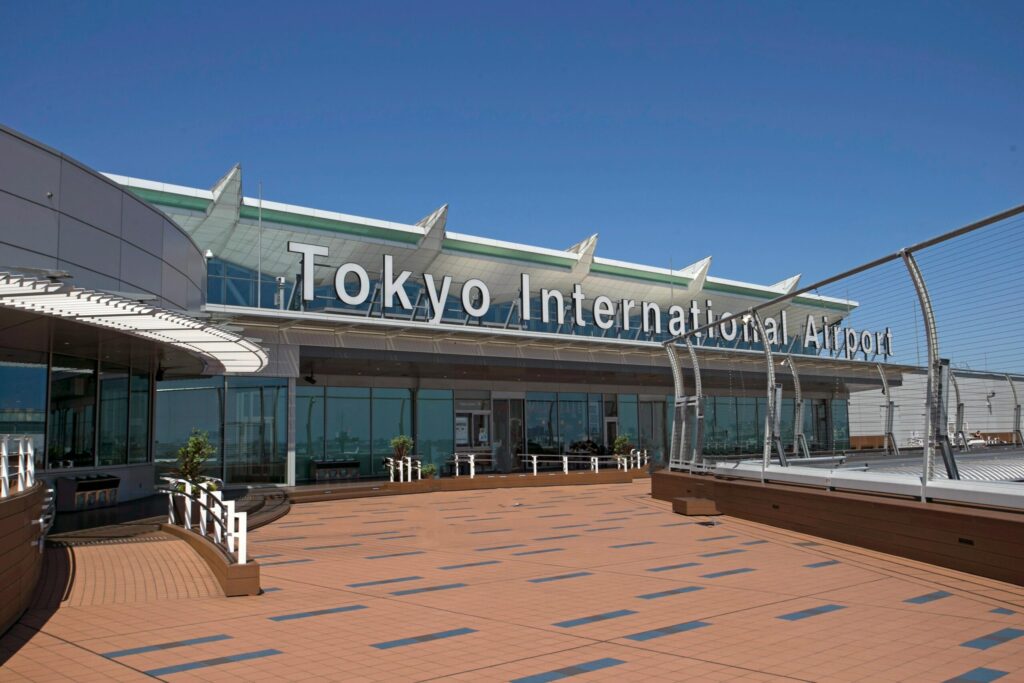
Tokyo (Narita – NRT / Haneda – HND)
Tokyo consistently ranks among the easiest connection points.
Both Narita and Haneda are well organized. Signage is clear, staff are helpful, and the airports are clean and efficient. In addition, transfers are usually straightforward when flying on the same airline alliance.
For seniors, Tokyo offers:
- Wheelchair assistance that runs smoothly
- Clear English announcements
- Calm, orderly boarding processes
Haneda, in particular, feels more compact than many international hubs. As a result, walking distances are often manageable.
Seoul (Incheon – ICN)
Seoul’s Incheon Airport is one of the most traveler-friendly hubs in Asia.
Connections are simple, security is efficient, and seating areas are comfortable. Moreover, Incheon offers quiet rest zones and wide walkways, which help families traveling with children.
For long layovers, the airport feels less chaotic than many global hubs.
Because of its layout and service standards, many travelers consider Incheon one of the safest connection choices when booking airline tickets to the Philippines.
Taipei (Taoyuan – TPE)
Taipei offers a compact and easy-to-navigate airport.
Transfers typically remain within the same terminal. Walking distances are moderate, and English signage is strong. In addition, connection times often feel realistic rather than rushed.
For families, Taoyuan feels calm and manageable. For seniors, shorter walking distances can make a noticeable difference.
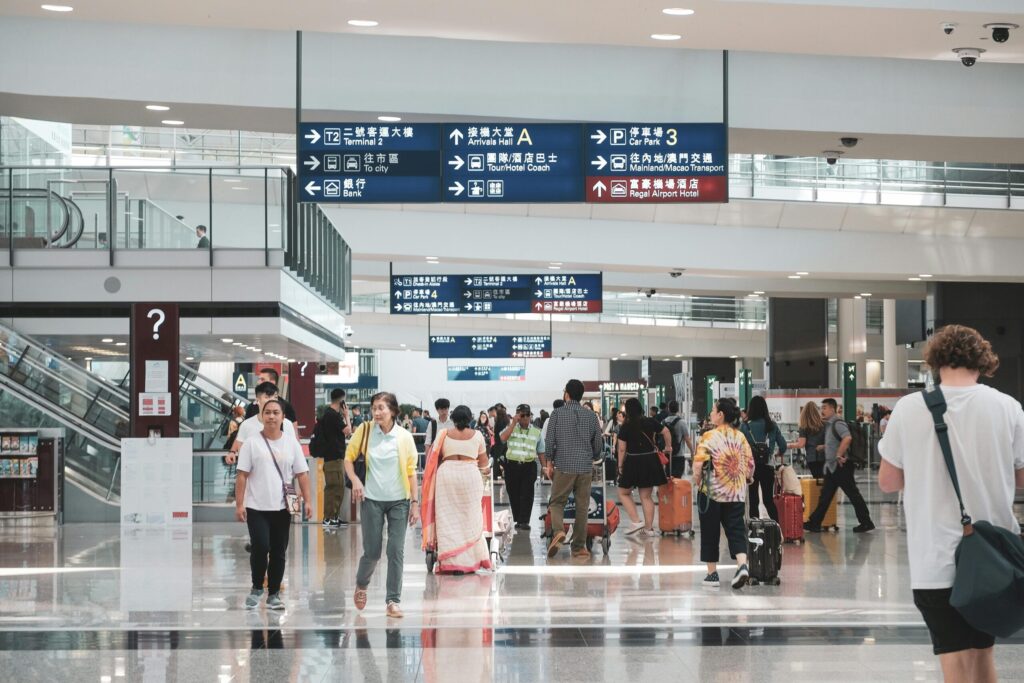
Hong Kong (HKG)
Hong Kong International Airport is large but efficient.
Most transfers remain within one main terminal. Moving walkways reduce long walking strain. Moreover, security and gate procedures are well-organized.
However, because Hong Kong is large, connection times should not be too tight. A slightly longer layover often improves comfort.
Singapore (Changi Airport – SIN)
Singapore’s Changi Airport is known worldwide for its comfort.
The airport offers excellent seating, clear signage, and strong customer service. Although it can involve longer walking distances, the experience remains smooth.
For travelers who prefer a more relaxed layover with strong amenities, Singapore often ranks high.
A Quick Reminder
The “best” layover airport depends on your departure city, airline, and travel dates.
However, when booking airline tickets to the Philippines, choosing the right hub can reduce stress, especially for seniors and children.
When a Longer Layover Is Actually Better
Many travelers focus on total travel time when booking airline tickets to the Philippines. A shorter itinerary looks efficient. However, the fastest route is not always the easiest one.
For seniors and families, a slightly longer layover often reduces stress.
First, long-haul flights from North America to Asia can last 12 to 15 hours. After landing, passengers may need time to stretch, use the restroom, and reorient themselves. A 60-minute connection leaves little margin for delays or slow deplaning.
Second, boarding gates sometimes change. Security lines can build unexpectedly. Even in well-organized airports, rushing increases anxiety, especially for older travelers.
In contrast, a layover of two to three hours often feels balanced. It allows enough time to move comfortably between gates without turning the connection into another marathon.
For families traveling with children, the benefits are even clearer. Kids need restroom breaks. They may want food. Sometimes they simply need to move around. A longer connection provides breathing room.
That said, extremely long layovers are not ideal either. Waiting six or seven hours can become tiring. The key is moderation.
When booking airline tickets to the Philippines, aim for a connection that provides comfort without creating unnecessary fatigue. In most cases, two to three hours in a well-designed airport offers the best compromise between speed and ease.
Airline Tickets to the Philippines: Direct vs. One-Stop Flights for Families
When comparing airline tickets to the Philippines, many travelers ask the same question: Is a nonstop flight always better?
The answer depends on who is traveling.
Direct flights remove the need to change planes. As a result, they eliminate gate transfers, security rechecks, and the risk of missing a connection. For seniors, this simplicity can make a major difference. There is no need to navigate a foreign airport or rush between terminals.
For families with young children, nonstop flights also reduce stress. Fewer transitions mean fewer chances for lost items, overtired kids, or last-minute confusion.
However, direct flights are often more expensive. In addition, nonstop availability depends heavily on the departure city. Many U.S. and Canadian travelers must connect through an Asian hub regardless of preference.
This is where one-stop flights become practical.
A well-planned one-stop itinerary can lower the total ticket cost. It can also offer more departure dates and schedule flexibility. In some cases, the overall travel time is only slightly longer than a nonstop option.
Therefore, the decision often comes down to priorities.
If comfort and simplicity rank highest, a direct flight may justify the higher price. If budget flexibility matters more, a one-stop route through an easy hub like Tokyo or Seoul can offer strong value.
When booking airline tickets to the Philippines, the key is not simply choosing direct or layover. Instead, choose the option that aligns with your family’s energy level, budget, and timeline.
For more insights, see Flights to the Philippines from the USA: Direct vs. Layover Options.
How to Choose the Right Airline Tickets to the Philippines for Your Family’s Needs
Choosing airline tickets to the Philippines is not only about price. It is about comfort, timing, and peace of mind.
Start by thinking about who is traveling.
If seniors are part of the trip, prioritize shorter walking distances, reasonable layover times, and airlines known for attentive service. A slightly higher fare may be worth it if it reduces stress during a long journey.
If you are traveling with children, consider departure times carefully. Late-night departures from North America sometimes help kids sleep through part of the flight. In addition, connecting airports with calm layouts and clear signage make transitions easier.
Next, evaluate total travel time versus connection comfort. A 19-hour itinerary with a rushed connection may feel harder than a 22-hour itinerary with a relaxed two-hour layover.
Also, check baggage policies and seat selection options. On long routes to Manila, seat comfort and baggage allowance can significantly affect the overall experience.
Finally, compare airlines operating the same route. Some carriers offer smoother transit processes at their hub airports. Others may provide better in-flight service or more convenient schedules.
Because airline tickets to the Philippines often involve complex routings, small details can make a large difference. That is why many families prefer to speak with a live travel expert rather than rely solely on automated search tools.
An experienced agent can:
- Compare multiple airlines at once
- Suggest easier layover hubs
- Adjust connection times for comfort
- Identify options that balance cost and convenience
Instead of guessing which connection will feel manageable, you can review structured options tailored to your family’s needs.

Choosing Airline Tickets to the Philippines That Fit Your Family
Traveling home to the Philippines is more than a flight. It is about reunions, celebrations, and time with the people who matter most.
That is why choosing the right airline tickets to the Philippines deserves careful thought.
Direct flights offer simplicity. On the other hand, one-stop routes can provide better pricing and schedule flexibility. Likewise, some layover airports feel smooth and organized, while others may feel overwhelming after a long flight.
The difference often comes down to small details. Connection time. Terminal layout. Assistance for seniors. Departure schedules for children.
When these elements align, the journey feels easier from the very beginning.
If you are comparing airline tickets to the Philippines from the USA or Canada, speaking with a travel expert can help you review options clearly. Instead of sorting through dozens of combinations on your own, you can evaluate routes based on comfort, timing, and budget.
Call 844-300-7983 to speak with an ASAP Tickets travel specialist and explore connection options that work best for your family.
Because when the trip is about family, the journey should feel manageable too.
If you’re looking for more tips on traveling as a senior, check out 9 Senior Travel Secrets Airlines Aren’t Telling You.

Get it right to your inbox by subscribing to ASAP Tickets weekly emails featuring the hottest flight deals from US to the .
Massive savings • Unsubscribe at any time.
You were sucessfully subscribed
Please check your inbox to confirm the subscription